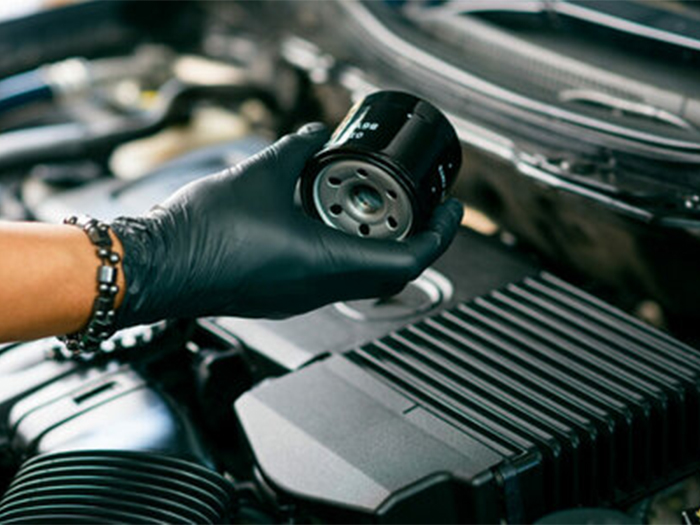
As a leading car oil filter manufacturer, we understand that in the diverse terrains of South America—from the high altitudes of the Andes to the humid Amazon basin and the dusty pampas of Argentina—the engine is the heart of every vehicle. Keeping that heart beating requires more than just oil; it requires a high-performance car oil filter that can withstand some of the most grueling driving conditions on the planet.
In this comprehensive guide, we will walk through the professional process of changing an oil filter, while addressing the specific technical, logistical, and market concerns that South American distributors, workshop owners, and importers face in today’s shifting automotive landscape.
Why the Right Car Oil Filter Matters in the South American Market
Before we dive into the “how-to,” let’s discuss the “why.” For a wholesaler in Brazil, a distributor in Chile, or a large-scale buyer in Colombia, the car oil filter is not just a commodity; it is a critical safeguard against engine failure and a cornerstone of business reputation.
The Environmental Challenge: Beyond Standard Specs
- Dust and Particulates: A significant portion of the road network in the Southern Cone and Andean regions remains unpaved or under construction. This creates an environment thick with silica dust. A standard oil filter with low-grade paper media will clog prematurely. Professional-grade filters must utilize high-density, synthetic-blend media to trap micro-particles before they score cylinder walls.
- The Ethanol Factor (Biofuels): Especially in Brazil, the high prevalence of Ethanol (Flex-fuel engines) creates unique combustion by-products. These can increase oil acidity. A premium car oil filter must feature a chemically resistant anti-drainback valve and gaskets that won’t degrade when exposed to these specific chemical profiles.
Thermal Stress: From the tropical heat of Manaus to the freezing mornings in Patagonia, the rubber components of a car oil filter—specifically the sealing gasket—must be made of high-spec Nitrile or Silicone to prevent “compression set” (permanent deformation), which is the leading cause of oil leaks.
Essential Tools and Preparation for the Professional Workshop
For professional mechanics and DIY enthusiasts alike, having the right kit is essential. For our B2B partners, these tools represent excellent cross-selling or promotional bundling opportunities.
| Tool | Purpose | Professional Tip for the South American Market |
| New Oil Filter | Core Filtration | Crucial: Match the bypass valve PSI to the specific engine requirements (e.g., Toyota Hilux vs. VW Gol). |
| Filter Wrench | Removal | Use a cap-style wrench for the tight spaces found in compact Latin American city cars. |
| Drain Pan | Collection | Ensure it has a minimum 8-liter capacity to handle larger diesel pickup engines (SUVs/Pickups). |
| Socket Set | Drain Plug | A 13mm to 17mm range covers 90% of the regional fleet (Chevrolet, Fiat, Renault). |
| Nitrile Gloves | Protection | Essential for ISO-certified workshops to maintain safety and cleanliness standards. |
| Contact Cleaner | Surface Prep | Used to clean the mounting plate to ensure a perfect seal. |
Step-by-Step: How to Change a Car Oil Filter Like a Pro
Step 1: Preparation, Safety, and Inspection
Ensure the vehicle is on a level surface. In many South American workshops, pits are more common than hydraulic lifts; ensure ventilation is adequate. Warm the engine for 3–5 minutes. Warm oil has lower viscosity, allowing it to flow faster and carry away more suspended metallic debris.
Warning: “Warm” does not mean “Hot.” Avoid working on engines immediately after long highway hauls to prevent second-degree burns.
Step 2: Draining the Contaminated Oil
Remove the oil filler cap first to prevent a vacuum effect, then loosen the drain plug. Let the oil flow until it becomes a slow drip.
Manufacturing Insight: Inspect the magnetic drain plug (if equipped). Excessive “silver paste” on the magnet indicates that the previous oil filter may have failed to capture metal shavings, or the bypass valve was open too frequently.
Step 3: Removing the Old Car Oil Filter
Position the pan directly under the filter. In many popular regional models (like the Ford EcoSport or Renault Sandero), the filter is mounted at an angle. Use your oil filter wrench to break the initial seal, then unscrew by hand.
The “Ghost Gasket” Check: This is the most vital step. Sometimes the heat causes the old rubber gasket to vulcanize itself to the engine block. If you install the new car oil filter over the old gasket, it will “double-stack,” causing a massive blowout of oil pressure within seconds of starting the engine.
Step 4: Prepping the New High-Performance Filter
As a car oil filter manufacturer, we see many failures due to dry installation.
- Lube the Seal: Smear fresh oil on the new gasket. This allows the gasket to “slide” into position as you tighten it, rather than bunching up or tearing.
- Pre-filling: For vehicles with vertical filters (common in heavy-duty diesel pickups like the Nissan Frontier), fill the filter 50% with fresh oil. This ensures that oil reaches the turbocharger and bearings instantly upon startup.
Step 5: Professional Installation and Torque
Thread the new oil filter on by hand. Once the gasket touches the mounting base, tighten it another 3/4 to 1 full turn.
Note: Never use a wrench to tighten a spin-on filter unless specified by the OEM. Over-tightening crushes the internal “spud” or deforms the thin metal canister, creating a structural weak point.
Step 6: Refilling and Pressure Testing
Fill the engine with oil that meets the correct ACEA or API standards for the region. Start the engine. The oil pressure light should extinguish within 3 seconds. Idle for 2–3 minutes and perform a “white glove” test—wipe a clean cloth around the base of the car oil filter to check for even the smallest trace of a leak.
What South American Buyers Look for in an Oil Filter Manufacturer
If you are an importer in the Free Trade Zones, price is only one part of the equation. Quality determines your return rate and brand equity.
A. Filtration Efficiency and Micron Rating
The industry standard is 20 microns, but for the harsh conditions of the South American interior, we recommend filters that capture 99% of particles at that size. Our oil filters utilize a proprietary synthetic-blend media that offers high “dirt-holding capacity” (DHC), allowing the filter to function effectively even if the user exceeds the service interval.
B. The Anti-Drainback Valve (ADBV) – The Silent Protector
In congested cities like São Paulo, Bogota, or Lima, “stop-and-start” driving is the norm. When the engine stops, gravity wants to pull oil out of the filter. A high-quality Silicone ADBV in our car oil filter keeps the filter full of oil. This eliminates the “clacking” sound of a dry start, which is the leading cause of premature engine wear in urban environments.
C. Burst Strength and Canister Thickness
Cold starts in high-altitude regions (like La Paz or Quito) can cause oil pressure spikes. A cheap, thin-walled oil filter can balloon or even burst. We manufacture our canisters with heavy-duty steel and a reinforced base plate to ensure a burst strength that far exceeds standard operating pressures.
Maintenance Intervals: Tailoring to Regional Reality
While European or North American manuals may suggest 15,000 km intervals, South American conditions are classified as “Severe.”
Urban Traffic: 5,000 km to 7,000 km.
Dusty/Rural Roads: 5,000 km.
Fleet/Taxi Use: Monthly inspections are recommended.
For a wholesaler, educating your customers on these shorter intervals increases car oil filter turnover and ensures customer satisfaction by preventing engine sludge.
How to Identify a Counterfeit Oil Filter in a Crowded Market
The South American aftermarket is unfortunately prone to counterfeit “Grade B” parts. As a reputable oil filter manufacturer, we provide our partners with these identification tips:
- Weight Comparison: Use a digital scale. Genuine filters use more media (paper) and thicker steel. A 10% weight difference usually indicates a counterfeit.
- Internal Construction: Peek inside the center tube. Genuine filters have clean, burr-free perforations. Counterfeits often have jagged edges that can break off and enter the engine.
- The Gasket “Snap” Test: High-quality Nitrile rubber will snap back to its shape when pulled. Cheap rubber will stay stretched or crack.
The Logistic Advantage: Partnering with the Right Manufacturer
Sourcing from a factory that understands international shipping to South America is vital. We offer:
- Custom Branding (Private Label): Build your own local brand with our premium quality.
- Seaworthy Packaging: Double-walled cartons and moisture-proof wrapping to ensure the oil filters arrive in pristine condition despite high humidity during ocean transit.
- Compliance: Our products meet or exceed IATF 16949 and ISO 9001 standards, easing the customs process in highly regulated markets like Brazil (INMETRO).
Conclusion
Changing a car oil filter is a routine task, but the engineering behind that filter is what determines the lifespan of a vehicle and the success of a spare-parts business. For wholesalers and distributors across South America, the goal is simple: provide a product that fits perfectly, performs under pressure, and offers the best value per kilometer.
As a dedicated car oil filter manufacturer, Ujoin Auto Parts is committed to the South American market. We don’t just sell parts; we provide the filtration solutions that keep South America moving.