Understanding Shock Absorber Replacement in Today’s Automotive Aftermarket
For vehicle owners, noticing a bouncy ride, uneven tire wear, or unstable handling usually leads to one urgent inquiry: “How much for shock absorbers replacement?” However, for automotive parts wholesalers, regional distributors, and professional repair shop owners, this question carries far greater weight. It represents market demand, inventory turnover potential, and the margin structure of one of the most frequently replaced suspension components in the global aftermarket.
Shock absorbers (along with struts) form the core of a vehicle’s suspension system. They ensure continuous tire-to-road contact, absorb kinetic energy from road impacts, and maintain steering control. Because shock absorbers undergo millions of compression cycles over their operational lifespan, wear and degradation are inevitable. As global vehicle fleets age—with the average light vehicle age in North America and Europe exceeding 12 years—the demand for reliable, cost-effective car shock absorber replacements has reached an all-time high.
Whether you are managing a network of auto repair shops seeking to lower unit procurement costs or operating as a regional distributor aiming to optimize margin structures, understanding both the retail replacement costs and wholesale sourcing dynamics is essential. In this comprehensive guide, we will break down the end-user shock absorber replacement cost, analyze retail vs. wholesale cost factors, explain technical diagnostic indicators, and reveal how partnering with a reputable China Auto Parts Supplier like Ujoin Auto Parts can significantly boost your profitability.
How Much Does Shock Absorber Replacement Cost?
To effectively price products and explain repair quotes to end customers, auto repair shop owners and distributors must understand average market rates. On average, the global retail price for replacing a pair of shock absorbers ranges between $250 and $800 at commercial repair facilities. However, actual out-of-pocket costs vary dramatically depending on vehicle class, component type, and regional labor rates.
Average Retail Shock Absorber Replacement Cost Breakdown
In a typical automotive service bay, shock absorber replacement costs are split into two major categories: parts costs and labor costs.
| Vehicle Segment | Parts Cost (Pair) | Labor Cost (1.5-3.0 hrs) | Total Replacement Cost |
| Economy / Compact Sedans | $80 – $180 | $120 – $250 | $200 – $430 |
| Midsize Sedans & Crossovers | $140 – $300 | $150 – $320 | $290 – $620 |
| Trucks, Full-Size SUVs & Commercial | $220 – $500 | $180 – $400 | $400 – $900 |
| Luxury & Adaptive Electronic Suspension | $600 – $1,800+ | $300 – $700 | $900 – $2,500+ |
Key Factors Influencing Shock Absorber Replacement Costs
1. Per-Axle Replacement Requirement: Shock absorbers should always be replaced in pairs (front pair or rear pair). Replacing only one shock absorber creates uneven damping capacity, compromised braking stability, and accelerated wear on adjacent suspension bushings. Repair shops must clearly communicate this necessity to vehicle owners.
2. Conventional Shocks vs. Complete Strut Assemblies: Replacing standard bare shock absorbers requires compressed spring dismounting, increasing labor time. In contrast, quick-strut assemblies combine the coil spring and shock into a single unit, cutting installation time by 40%—though the initial parts cost is higher.
3. Advanced Damping Technologies: Modern vehicles equipped with magnetic ride control, electronic adaptive damping, or self-leveling air suspension demand complex diagnostic recalibration. Replacement units for these systems carry a substantial premium compared to standard hydraulic or nitrogen gas-charged shocks.
Identifying Bad Shock Absorbers: Diagnostics & Symptoms
For auto repair shops and automotive parts wholesalers, educated technicians and service advisors are key to driving sales of suspension components. Recognizing early failure symptoms of a worn car shock absorber allows shops to recommend preventive maintenance before severe mechanical issues arise.
Primary Indicators of Worn or Damaged Shock Absorbers
• Excessive Body Roll and Nose-Diving: When braking hard, a vehicle with worn front shocks dives forward excessively, increasing stopping distances by up to 20%. During cornering, body roll becomes pronounced.
• Hydraulic Fluid Leaking: Shock absorbers rely on internal hydraulic fluid to meter piston movement. Inspecting the shock body for oil film or active fluid leaking past the main shaft seal indicates immediate seal failure.
• Cupping Tire Wear Pattern: Worn shock absorbers allow tires to bounce excessively on road surfaces. This bouncing creates distinct high and low wear spots across the tire tread (cupping), severely shortening tire life.
• Steering Wheel Vibrations & Harsh Ride: When internal valve assemblies degrade, shock absorbers lose their ability to dampen high-frequency road vibrations, transmitting harsh impacts directly into the cabin and steering column.
• Unstable Highway Handling: At highway speeds, vehicles with compromised dampening feel floaty, drifting in crosswinds and requiring continuous steering corrections.
Wholesale Pricing vs. Retail Markup: Boosting Profit Margins for B2B Buyers
While retail customers focus strictly on installed costs, automotive parts wholesalers and repair shop owners must examine procurement costs, land cost optimization, and resale markups. The gap between wholesale purchasing costs and final retail installation represents a vital profit center for automotive service enterprises.
The Financial Reality: Wholesale landed costs vs. Retail Pricing
When purchasing through traditional domestic multi-step distribution channels, repair shops and local jobbers often pay a 50% to 100% markup over factory-direct pricing. By sourcing direct from an established China Auto Parts Supplier, automotive parts wholesalers and large workshop networks can eliminate unnecessary intermediary markups.
| Sourcing Level / Channel | Avg. Unit Cost (Standard Shock) | Resale Price (To Shop / Retail) | Estimated Gross Margin |
| Direct Factory Sourcing (Ujoin Auto Parts) | $8.00 – $18.00 | $25.00 – $45.00 (Wholesale) | 55% – 70% |
| Domestic Importer / Tier-1 Distributor | $22.00 – $35.00 | $45.00 – $75.00 (Jobber) | 30% – 40% |
| Local Auto Parts Retailer / Jobber | $45.00 – $75.00 | $85.00 – $150.00 (End User) | 25% – 35% |
As illustrated above, transitioning from local jobber sourcing to factory-direct procurement dramatically enhances gross margins. For distributors selling thousands of shock absorbers annually, this cost reduction directly converts into bottom-line profitability and competitive market pricing.
Why Source Shock Absorbers from China? The Strategic Advantage
China has solidified its position as the global hub for aftermarket auto parts manufacturing. For professional automotive parts wholesalers, importing high-quality car shock absorber lines from China offers unparalleled strategic advantages in cost efficiency, production capacity, and vehicle application coverage.
Key Advantages of Sourcing Shock Absorbers from China
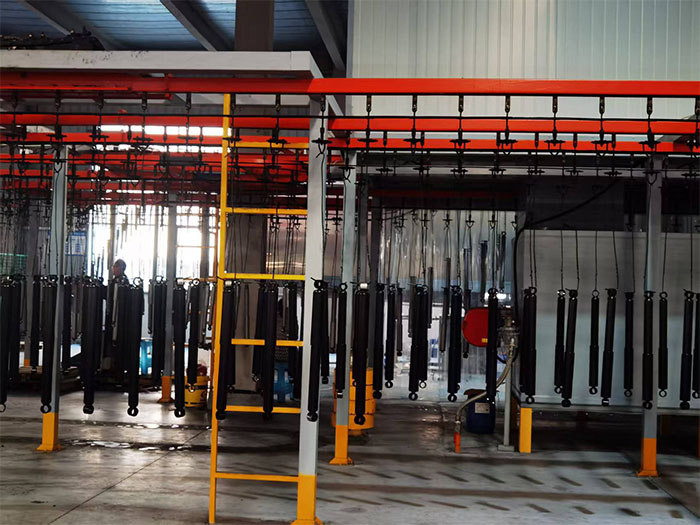
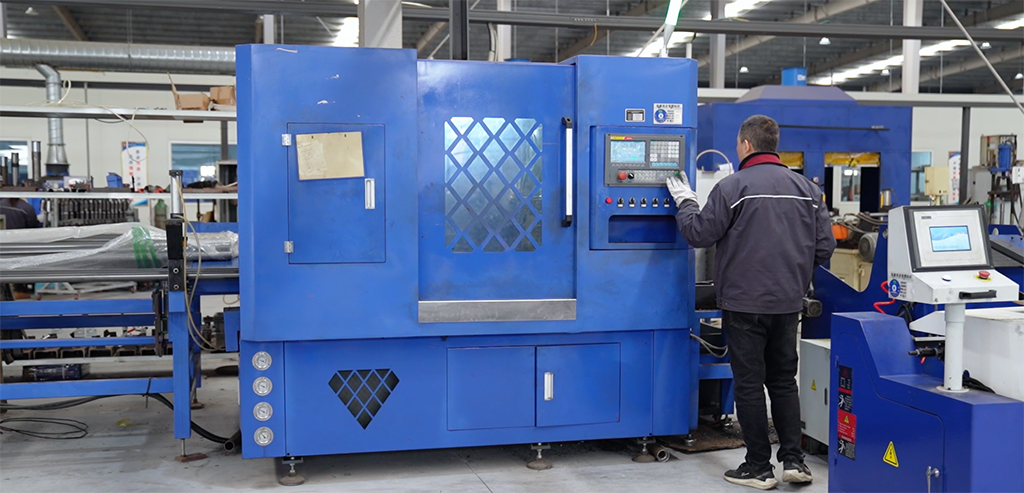
1. Advanced Manufacturing & Automation: Modern Chinese production facilities utilize automated robot welding, precision CNC machining, and automated chrome-plating lines for damper piston rods. This ensures micro-inch surface finishes and precise hydraulic valving consistency.
2. Extensive Application Coverage: Leading suppliers maintain complete mold and valving catalogs covering over 95% of global vehicle applications—including Japanese, Korean, American, European, and Chinese vehicle platforms.
3. Strict Quality Control Standards: Top-tier exporters operate under IATF 16949 quality management systems, subjecting every batch of shock absorbers to rigorous testing: salt spray corrosion testing, high/low temperature endurance testing (-40°C to 120°C), and 3-million-cycle fatigue endurance tests.
4. Unbeatable Economies of Scale: Integrated raw material supply chains—from seamless steel tubing to specialized hydraulic oil and rubber seal compounds—allow Chinese suppliers to maintain highly competitive unit pricing without sacrificing durability.
Partnering with Ujoin Auto Parts: Your Premier China Auto Parts Supplier
When expanding or upgrading your suspension product line, selecting the right manufacturing partner is vital. Ujoin Auto Parts stands out as a trusted, professional China Shock Absorber Supplier dedicated to servicing global automotive parts wholesalers, distributors, and large repair chains.
Why Ujoin Auto Parts is the Preferred Partner for Suspension Solutions
• Comprehensive Shock Absorber Range: Ujoin Auto Parts engineers and manufactures a full spectrum of shock absorbers, including twin-tube gas-charged shocks, heavy-duty mono-tube absorbers, and complete strut assemblies. Whether servicing light passenger cars, commercial vans, or heavy-duty pickup trucks, Ujoin provides exact-fit OEM replacement units.
• Precision Valving and OE Performance: Every Ujoin car shock absorber features multi-stage velocity-sensitive valving. This technology automatically adjusts damping force based on road impact intensity, delivering optimal stability, smooth low-speed dampening, and responsive emergency handling.
• Premium Materials & Seal Integrity: Ujoin shock absorbers utilize high-spec NOK multi-lip oil seals, chrome-finished micro-polished piston rods, and premium synthetic hydraulic fluid containing anti-foaming additives. This prevents internal cavitation and guarantees leak-free performance over thousands of miles.
• Flexible B2B Cooperation Models: Ujoin Auto Parts offers custom OEM/ODM manufacturing, private label packaging, low MOQ flexibility for fast-moving SKUs, and dedicated supply chain logistics assistance for overseas importers.
• Strict Quality Verification: Every product leaving Ujoin manufacturing lines undergoes 100% damping force characteristic testing to ensure exact compliance with original equipment specs.
FAQ
Q1: How often should shock absorbers be replaced on standard passenger vehicles?
While shock absorber wear depends heavily on road conditions and driving habits, industry consensus recommends thorough inspection every 20,000 km (12,000 miles) and complete replacement between 80,000 to 100,000 km (50,000 to 60,000 miles). Gas pressure loss and hydraulic seal degradation occur gradually, making routine inspection essential.
Q2: Should shock absorbers and coil springs be replaced together?
In most cases involving struts, replacing the complete unit (strut, coil spring, and top mount) as a complete assembly is recommended. Aging coil springs sag over time, reducing ride height and placing excessive strain on new shock absorbers. Complete assembly replacement also significantly reduces installation labor time.
Q3: What is the difference between twin-tube and mono-tube shock absorbers?
Twin-tube shock absorbers feature an inner working cylinder and an outer reserve cylinder, offering smooth ride comfort ideal for daily passenger cars. Mono-tube shocks house the hydraulic fluid and gas charge in a single cylinder separated by a floating piston, offering superior heat dissipation and firmer damping suited for heavy trucks, performance cars, and off-road applications.
Q4: How can automotive parts wholesalers order custom packaging or private-label shocks from Ujoin Auto Parts?
Ujoin Auto Parts provides end-to-end OEM/ODM private-label packaging solutions. Wholesalers can submit branded artwork, box dimensions, and specific color requirements. Ujoin handles custom box printing, branded laser engraving on shock bodies, and palletized shipping export compliance.
Q5: What warranty terms does Ujoin Auto Parts offer to B2B distributors?
Ujoin Auto Parts stands behind its product quality by offering comprehensive 12-month / 30,000 km quality warranties on shock absorber products, ensuring distributors and repair shop owners can sell with complete peace of mind.
Conclusion: Maximizing Profitability in Shock Absorber Replacement
Understanding “how much for shock absorbers replacement” involves much more than calculating labor hours and single-unit retail prices. For automotive parts wholesalers, distributors, and repair shop managers, it is about understanding market demand dynamics, diagnosing suspension wear effectively, and establishing a robust, direct supply chain.
By expanding your product lineup with high-quality, precision-engineered car shock absorber options from an established China Auto Parts Supplier like Ujoin Auto Parts, your business can cut procurement costs, expand gross profit margins, and deliver reliable OEM-level suspension products to your clients.
Ready to upgrade your suspension parts catalog and lower your sourcing costs? Contact Ujoin Auto Parts today to request product catalogs, wholesale price quotes, and custom private-label solutions.