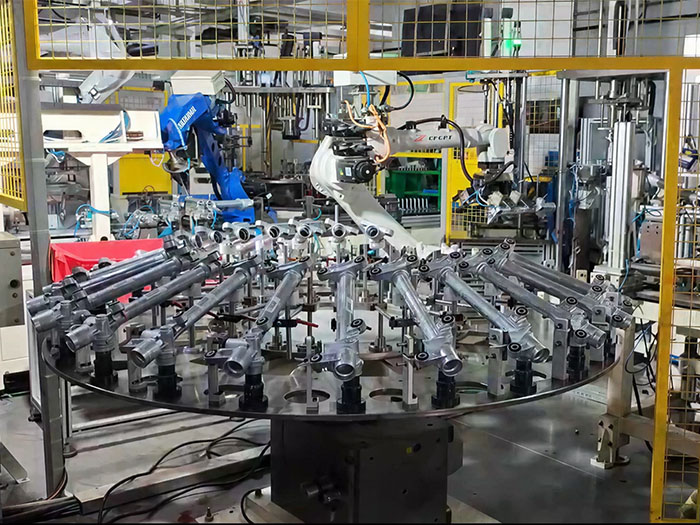
Choosing the right steering rack manufacturer is one of the most critical decisions for automotive parts wholesalers and distributors. A vehicle’s steering system directly impacts passenger safety; therefore, a single batch of sub-standard steering components can ruin an aftermarket brand’s reputation overnight.
With thousands of suppliers claiming to be “direct factories,” how do you separate genuine wholesale steering rack manufacturers from middleman trading companies?
In this comprehensive guide, we will break down the essential technical standards, quality control benchmarks, and manufacturing capabilities you must look for when sourcing wholesale steering racks for global markets.
Why Sourcing Direct from a Certified Steering Rack Manufacturer Matters
In the competitive automotive aftermarket—especially across rapidly growing regions like South America and Africa—offering competitive pricing is no longer enough. B2B buyers demand long-term durability and precise fitment.
When you partner directly with an established power steering rack factory, you gain three massive competitive advantages:
- Direct Factory Pricing: Eliminating middleman markups allows you to maximize your local wholesale profit margins.
- Consistent OEM Compatibility: True manufacturers design components strictly to original equipment specifications.
- Customized OEM/ODM Solutions: The ability to laser-engrave your local brand logo and customize heavy-duty packaging to build your private label brand identity.
Four Critical Factors to Evaluate in an Automotive Steering Factory
1. International Quality Certifications (IATF 16949)
Never source from a supplier that lacks proper automotive quality management credentials. A reliable steering rack supplier must hold an IATF 16949 or ISO 9001 certification. These standards guarantee that every step of the manufacturing process—from raw material tracing to final packaging—adheres to strict international automotive regulations.
2. Comprehensive Vehicle Application & Catalog Depth
A robust manufacturer should offer a wide range of aftermarket steering racks covering major American, European, Japanese, and Korean vehicle applications.
Whether your market demands hydraulic power steering units for a Toyota Hilux and Nissan Frontier, or advanced electric steering racks (EPS) for newer Volkswagen or Hyundai models, your supplier must have the toolings and molds ready to fulfill bulk orders without massive lead times.
3. Premium Sealing Components (The Anti-Leakage Guarantee)
The number one failure point for hydraulic steering systems is oil leakage. Top-tier manufacturers mitigate this risk by using premium, imported components.
Industry Tip: Always ask if the manufacturer utilizes premium Japan NOK oil seals. These seals offer superior resistance to extreme temperatures and high hydraulic pressures, significantly dropping local customer return rates.
4. Advanced Testing Capabilities
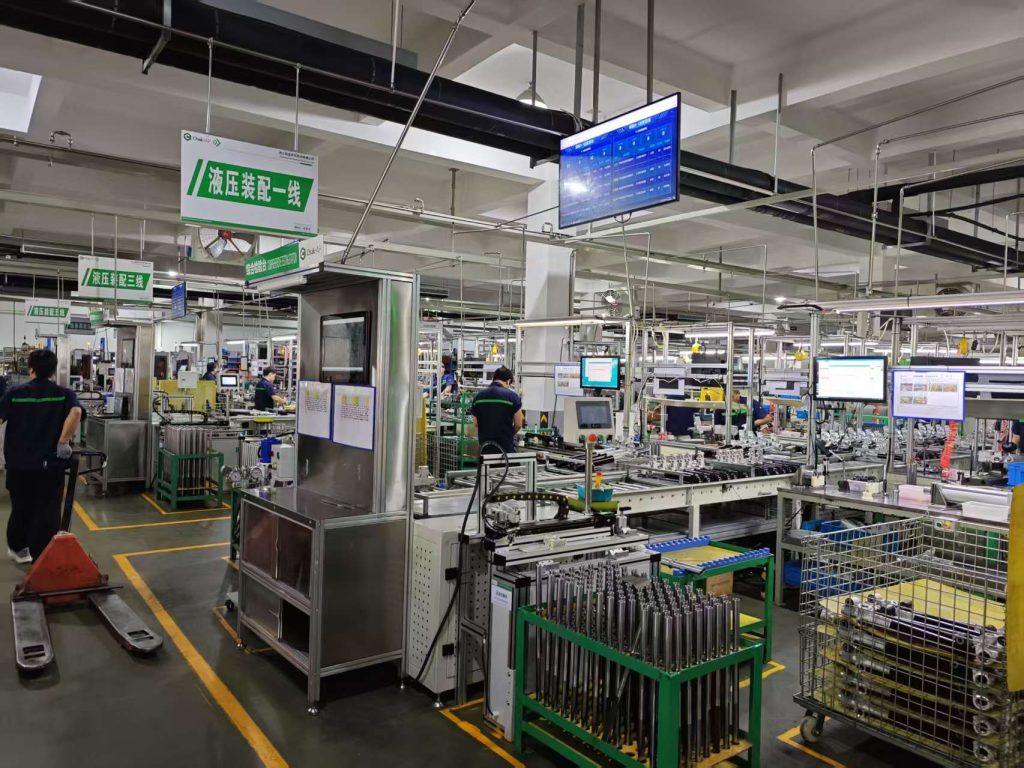
A true factory does not rely on visual inspections alone. Before any product is boxed and loaded into a shipping container, it must pass a rigorous matrix of automated performance tests:
Every component must undergo 100% pneumatic and hydraulic leakage testing to ensure zero defects upon arrival at your warehouse.
Navigating the Shift: Hydraulic vs. Electric Steering Racks (EPS)
As the automotive aftermarket evolves, global demand is shifting. While traditional hydraulic power steering racks remain the dominant revenue driver in many regional wholesale markets, the demand for electric steering racks (EPS) is skyrocketing.
| Feature | Hydraulic Steering Racks | Electric Steering Racks (EPS) |
| Core Mechanism | Hydraulic Fluid & Pump Driven | Electric Motor & ECU Driven |
| Market Demand | Heavy-duty, older vehicle fleets, commercial vans | Modern passenger cars, eco-friendly models |
| Manufacturing Complexity | High precision in oil seal & valve tolerances | Complex electronic calibration & sensor programming |
| Wholesale Margin Potential | Steady, high-volume turnover | Premium pricing, fast-growing market share |
A forward-thinking steering rack manufacturer must possess the technical expertise to calibrate internal EPS sensors and program Electronic Control Units (ECUs) to ensure flawless dashboard integration and zero error codes upon installation.
Streamlining Your B2B Sourcing Logistics
For international distributors operating in regions like Peru, Chile, Nigeria, or South Africa, product quality is only half the battle; logistics and supply chain stability represent the other half.
When vetting your next partner, confirm that their operations support:
Low Trial MOQs: Flexibility to order 5–10 pieces per model for initial quality testing.
Secure B2B Export Packaging: Heavy-duty, double-walled corrugated boxes paired with custom molded foam inserts to prevent rack and pinion damage during long ocean freight transits.
Efficient Lead Times: Stable production schedules delivering mass orders within 30 to 45 days.
Partner with Ujoin Auto Parts–Your Trusted Steering Rack Supplier in China
Ujoin Auto Parts have spent years engineering high-performance steering and suspension components for the global aftermarket. As an established steering rack supplier, we combine advanced CNC automation with rigorous IATF 16949 quality controls to deliver premium hydraulic and electric steering racks that keep your business moving forward. You can find any steering rack model at Ujoin Auto Parts.
FAQ
Q: What is your Minimum Order Quantity (MOQ) for wholesale steering racks?
A: Our standard MOQ is low for trial orders (e.g., 5-10 pcs per model if in stock). For custom OEM production, MOQ depends on specific technical requirements.
Q: Do you support OEM/ODM customized branding and packaging?
A: Yes, we provide full laser-engraving on products, customized brand boxes, and tailored packaging solutions to help build your local brand identity.
Q: How do you guarantee the quality of Electric Steering Racks (EPS)?
A: Every EPS rack undergoes strict sensor calibration, ECU programming compatibility checks, and full torque simulation testing before leaving the facility.
Q: What is your typical production and shipping lead time?
A: For stock items, shipping takes 3-7 days. For mass production wholesale orders, it typically ranges from 30-45 days.