A car is a complex mechanical system that operates at high speeds and is constantly exposed to friction, external forces, and environmental factors. As a result, many components have a limited lifespan. In addition to common wear-and-tear parts like air filters, wiper blades, tires, batteries, brake pads, and light bulbs, other components are also prone to damage, especially if not properly maintained.
If you’ve been driving for a while, you’ve probably noticed that some car parts seem to break more often than others. While normal wear and tear is inevitable, some components are particularly vulnerable due to usage habits, driving conditions, or poor maintenance. Let’s take a closer look at these parts and what causes them to wear out how you can prevent costly repairs.
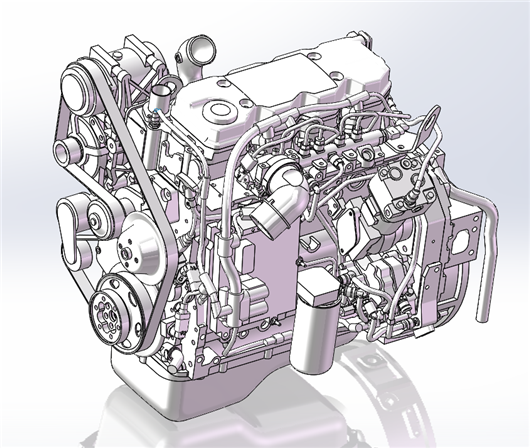
1. ENGINE: THE IMPORTANCE OF ENGINE OIL
The engine’s longevity is largely influenced by the quality of the engine oil. Using low-quality or incorrect engine oil can accelerate wear on pistons, rings, cylinder liners, bearings, and camshafts. Additionally, aggressive driving and revving a cold engine can lead to premature engine failure.
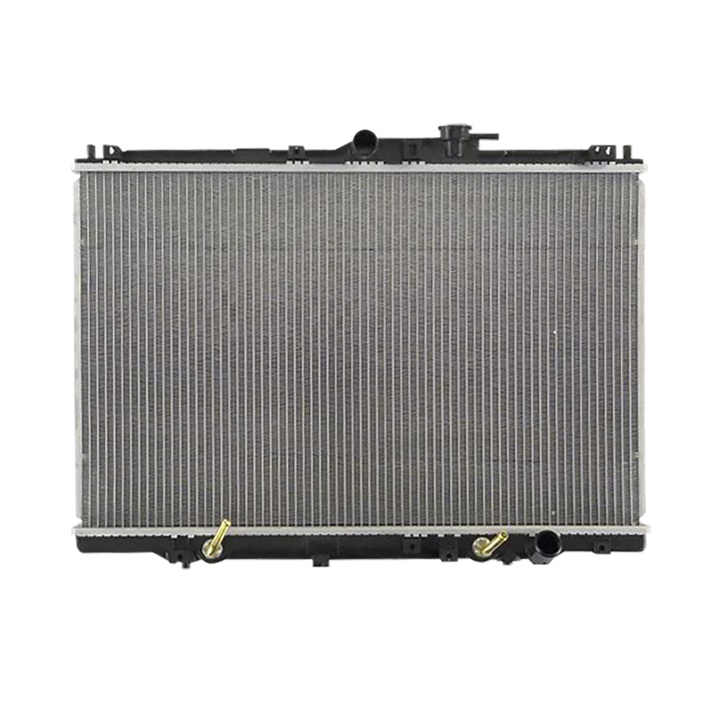
2. COOLING SYSTEM: WATCH OUT FOR CORROSION
The radiator, heater core, hoses, and coolant plugs are highly dependent on good-quality antifreeze. If low-quality or old antifreeze is used, it can lead to corrosion, blockages, and leaks, ultimately affecting engine cooling efficiency.
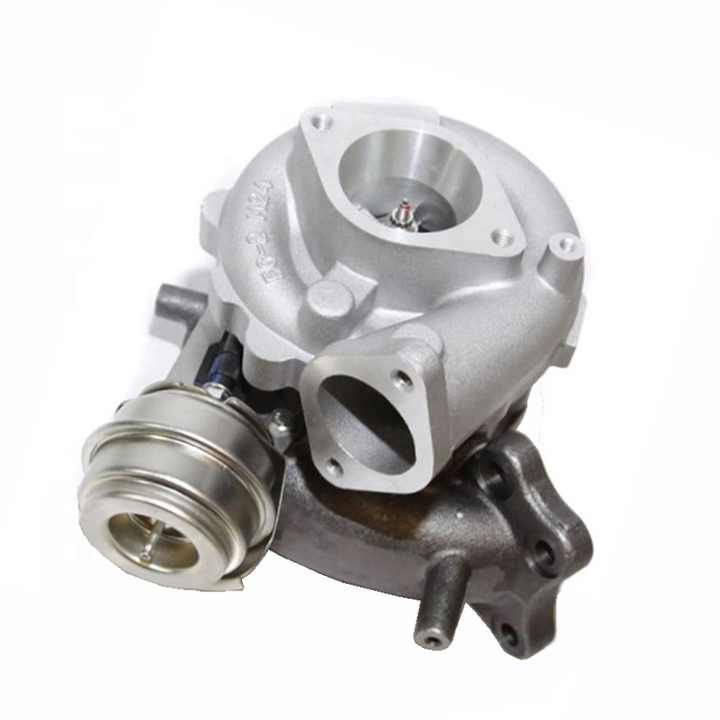
3. TURBOCHARGER: HANDLE WITH CARE
A turbocharger is sensitive to oil quality and driving habits. Cold-starting the car and immediately driving at high speeds, shutting off the engine without allowing the turbo to cool down, or using poor-quality engine oil can cause severe damage. Additionally, poor air filtration can allow debris to damage the turbo’s impeller.
4. FUEL PUMP & INJECTORS: THE ROLE OF FUEL QUALITY
Using fuel with high impurities or excessive carbon buildup can clog injectors and cause early wear on the fuel pump. To avoid issues, always refuel at reputable gas stations and avoid low-quality fuel sources. This is particularly important for direct-injection engines.
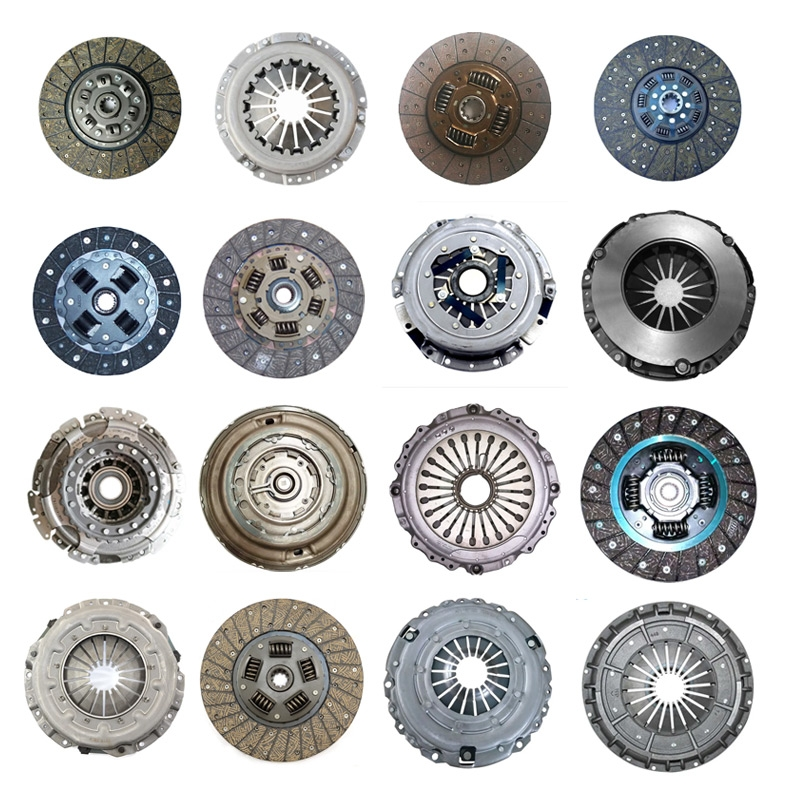
5. CLUTCH SYSTEM: BAD DRIVING HABITS REDUCE LIFESPAN
The clutch system, which includes the clutch disc, pressure plate, and release bearing, is directly affected by driving habits. Constantly riding the clutch or frequently driving in half-clutch mode will significantly shorten its lifespan. With good driving habits, a clutch can last over 100,000 kilometers.
6. TRANSMISSION: DIFFERENT TYPES, DIFFERENT WEAKNESSES
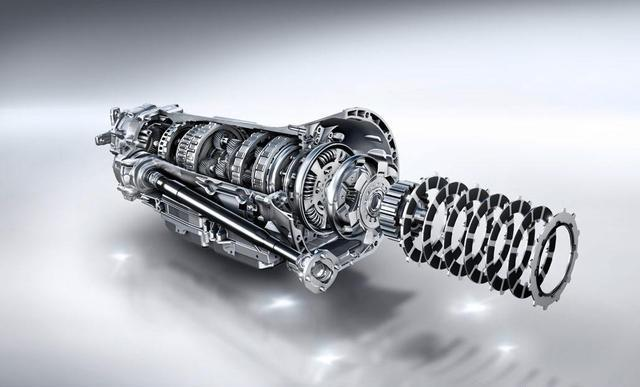
Manual transmissions are generally durable if maintained properly. Among automatic transmissions, traditional ATs (automatic transmissions) are the most reliable. CVT transmissions are vulnerable to heavy loads and aggressive driving, while dual-clutch transmissions (DCTs) can overheat in stop-and-go traffic, leading to premature failure.
· Manual Transmission: Durable when properly maintained.
· Traditional Automatic (AT): Reliable with routine care.
· CVT (Continuously Variable Transmission): Easily damaged by high loads and aggressive driving.
· Dual-Clutch (DCT): Prone to overheating in heavy traffic, leading to costly repairs.
7. DRIVESHAFT SEALS & CV JOINTS: PRONE TO LEAKS AND AGING
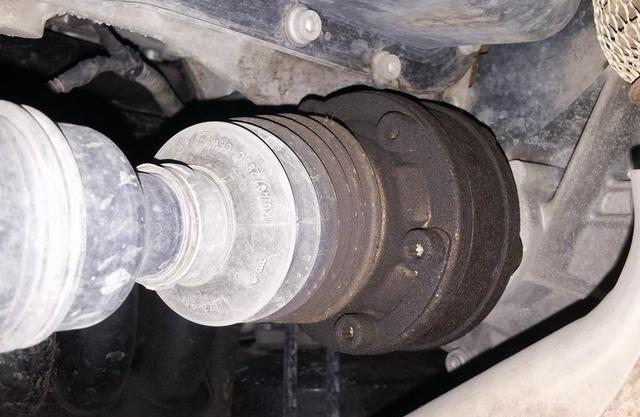
Driveshaft seals and CV (constant velocity) joints are prone to oil leaks over time. The primary cause is aging rubber, which loses its elasticity. Regular inspections and timely replacements are the only solutions.
8. SUSPENSION COMPONENTS: BALL JOINTS, BUSHINGS AND SHOCK ABSORBERS
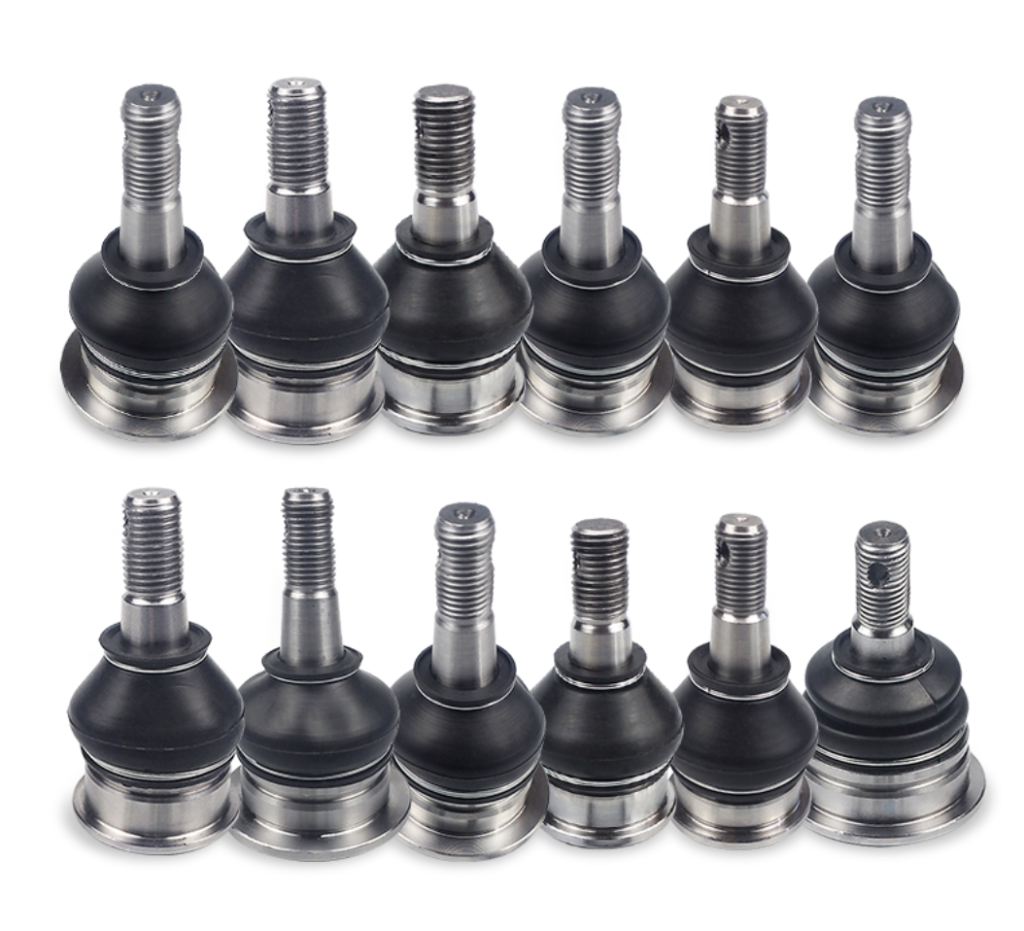
These components experience constant movement and friction, leading to inevitable wear. Road conditions and part quality play a significant role in their lifespan. While high-quality parts can last over five years or 100,000 kilometers, cheaper components may show signs of wear in just three years.
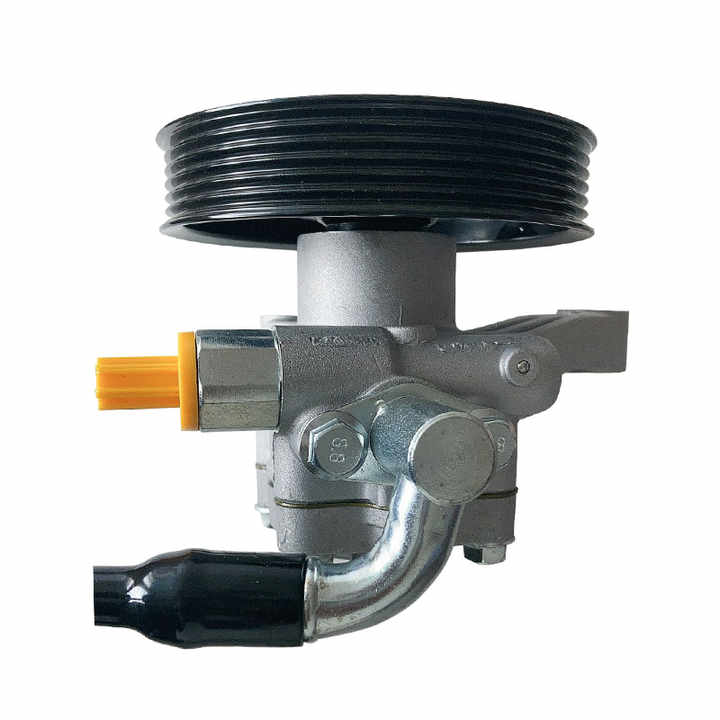
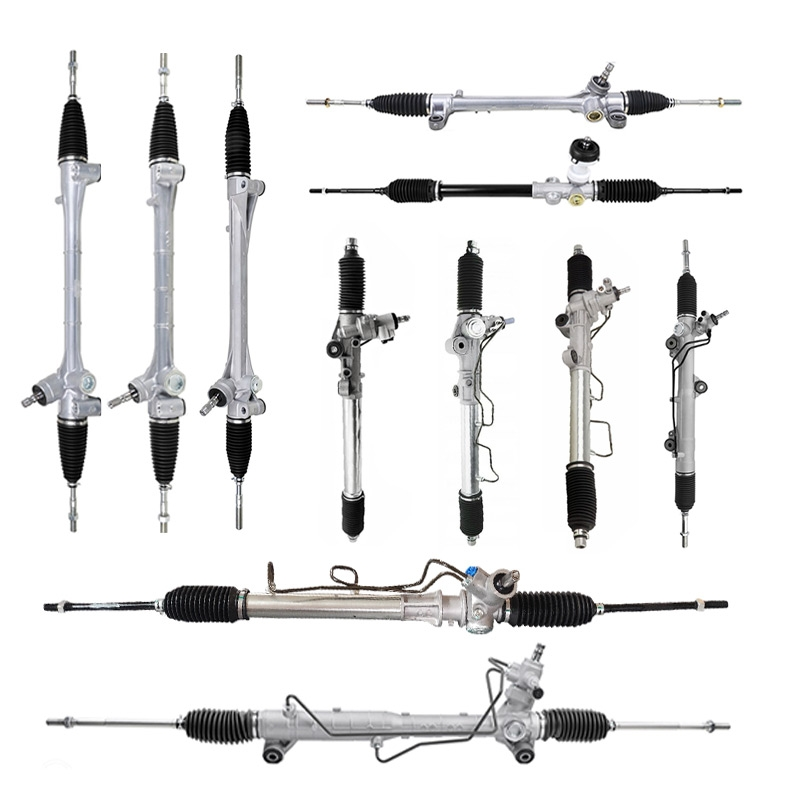
9. STEERING SYSTEM: OVERHEATING THE POWER STEERING MOTOR
Most modern cars use electric power steering (EPS). The electric motor in the steering system can overheat if the driver frequently turns the steering wheel while stationary. Repeated overheating can shorten the motor’s lifespan.
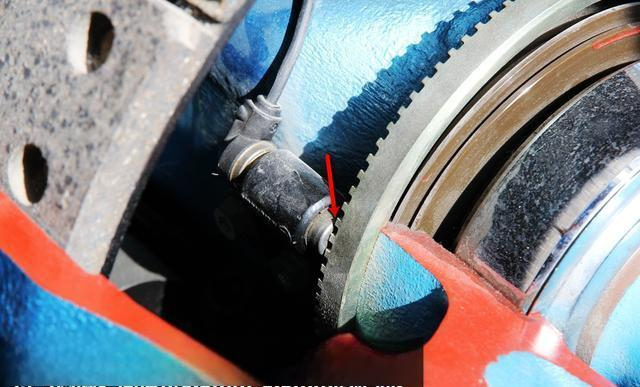
10. WHEEL SPEED SENSORS: A COMMON CAUSE OF ABS WARNINGS
Many modern cars experience ABS warning lights due to faulty wheel speed sensors. These sensors can become inaccurate over time, sometimes due to dirt accumulation. While cleaning may help temporarily, replacement is often necessary.
Modern cars are built to last, but improper use and lack of maintenance can significantly shorten the lifespan of key components. Routine inspections, high-quality fluids, and proper driving habits can help prevent unexpected failures and costly repairs. Allocating a budget for regular maintenance is essential to keeping your vehicle running smoothly for years to come. Every car has parts that wear out over time, but how you drive and maintain your vehicle makes a big difference. Proper maintenance, using high-quality fluids, and developing good driving habits can significantly extend the life of your car’s most vulnerable components. Stay proactive, and you’ll save money in the long run while keeping your car in top condition.