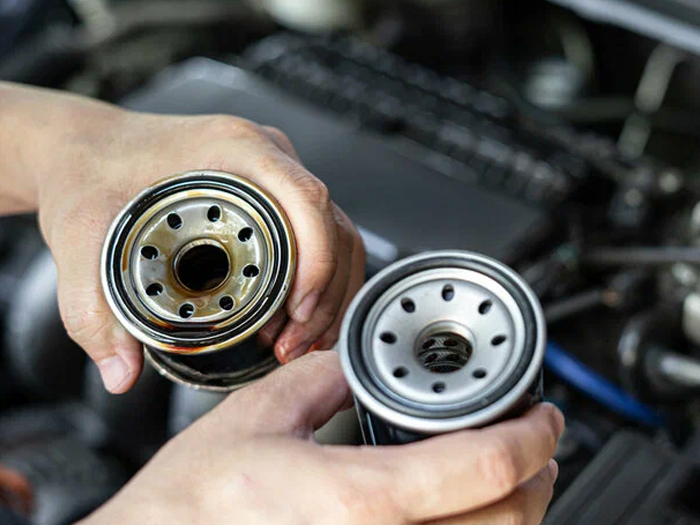
Engine maintenance is one of the most common services performed in automotive workshops worldwide. Among all routine maintenance tasks, replacing the oil filter is essential for protecting the engine and maintaining optimal performance.
However, many technicians encounter a common problem during oil changes — a stuck oil filter that is difficult to remove. Knowing how to get an oil filter off properly can save time, prevent damage to the engine, and ensure a smooth maintenance process.
For auto repair shops, distributors, and auto parts wholesalers, understanding the removal process is also important because it reflects the quality, design, and reliability of a car oil filter.
In this guide, we will explain:
What an oil filter does
Why oil filters get stuck
How to remove a stuck oil filter step by step
The tools used by professional mechanics
Tips for choosing a reliable oil filter supplier or oil filter manufacturer
What Is an Oil Filter?
An automotive oil filter is a key component in a vehicle’s lubrication system. Its main function is to remove contaminants from engine oil, ensuring clean oil circulates through the engine.
During engine operation, oil collects contaminants such as:
- Metal particles
- Carbon deposits
- Dirt and debris
- Combustion byproducts
A high-quality car oil filter prevents these contaminants from circulating through the engine, which helps protect internal components such as:
- Pistons
- Crankshaft
- Camshaft
- Bearings
Without a properly functioning oil filter, engine wear increases significantly and may lead to costly engine damage.
For this reason, most manufacturers recommend replacing the oil filter during every oil change.
Why Oil Filters Get Stuck
One of the most common questions mechanics ask is how to get an oil filter off when it is stuck. Several factors can make removal difficult.
1. Over-Tightening the Oil Filter
The most common cause of a stuck oil filter is over-tightening during installation.
Oil filters are designed to be tightened by hand, but some installers use tools that tighten the filter excessively.
This causes:
The gasket to compress too much
Increased friction between the filter and engine block
Difficult removal during the next service
2. Heat and Engine Pressure
Engines operate at high temperatures. Over time, heat cycles cause the car oil filter housing and engine block to expand and contract, tightening the connection.
This makes the filter harder to remove after long service intervals.
3. Old or Hardened Oil Filter Gasket
Oil filters use a rubber gasket seal to prevent leaks.
If the filter is left on the engine for too long:
- The gasket may harden
- It may stick to the engine block
- The seal becomes difficult to break
4. Corrosion and Dirt
Vehicles operating in harsh environments can develop:
- Rust around the oil filter
- Dirt buildup
- Oil residue accumulation
These factors can also make oil filter removal difficult.
Tools Needed to Remove an Oil Filter
Professional mechanics use several specialized tools when removing a stuck oil filter.
Oil Filter Wrench
The oil filter wrench is the most commonly used removal tool.
Common types include:
- Strap wrench
- Chain wrench
- Cap-type oil filter wrench
- Claw-type wrench
These tools increase grip and provide extra leverage for removing tight filters.
Oil Filter Cap Socket
A cap-style oil filter socket fits directly over the filter housing and allows removal using a ratchet.
Advantages include:
- Precise fit
- Reduced risk of crushing the filter
- Efficient removal
Many professional workshops prefer this method.
Rubber Strap Tool
A rubber strap wrench works well when the filter surface is oily or slippery.
The rubber strap increases friction and prevents slippage during removal.
Screwdriver Method
If the filter is extremely stuck, some mechanics use a screwdriver through the oil filter housing to create leverage.
However, this method should only be used as a last resort because it can:
- Damage the filter
- Cause oil spills
- Create a messy repair situation
Step-by-Step: How to Get an Oil Filter Off
Removing an oil filter properly requires a systematic process.
1. Turn Off the Engine
Never attempt to remove a filter from a hot engine.
Hot engine oil can reach 100°C (212°F) or more and may cause burns.
Allow the engine to cool for at least 20–30 minutes.
2. Lift the Vehicle
Depending on the vehicle design, the car oil filter may be located:
- Under the engine
- On the side of the engine block
- Near the exhaust manifold
Use a vehicle lift, ramps, or jack stands to safely access the filter.
3. Drain the Engine Oil
Place a drain pan under the engine and remove the oil drain plug.
Draining the oil reduces:
- Oil spills
- Internal oil pressure
This makes filter removal easier.
4. Locate the Oil Filter
The oil filter usually appears as a metal cylindrical component attached to the engine block.
Depending on the vehicle model, it may be positioned:
- Vertically
- Horizontally
- At an angle
5. Attempt Hand Removal
Try removing the oil filter by hand first.
Turn the filter counterclockwise.
If it moves, continue unscrewing it slowly.
6. Use an Oil Filter Wrench
If the filter does not move by hand, use an oil filter wrench.
Apply steady pressure until the seal breaks.
Once loosened, the filter can usually be removed by hand.
7. Inspect the Old Gasket
After removing the oil filter, check the engine surface carefully.
Ensure the old rubber gasket is not stuck to the engine block.
Installing a new filter on top of an old gasket can cause severe oil leaks.
Best Practices When Installing a New Car Oil Filter
Proper installation prevents problems during the next oil change.
Lubricate the Gasket
Before installing a new car oil filter, apply a thin layer of clean engine oil to the gasket.
This helps:
- Create a better seal
- Prevent gasket sticking
- Make future removal easier
Hand Tighten Only
Most oil filters require only ¾ to 1 turn after the gasket contacts the engine.
Avoid using tools for tightening.
Over-tightening causes future removal issues.
Use High-Quality Oil Filters
Using high-quality filters from a reliable oil filter manufacturer ensures:
- Proper sealing
- Strong filter housing
- Efficient filtration performance
- Low-quality filters may collapse or leak under pressure.
Types of Oil Filters in the Automotive Market
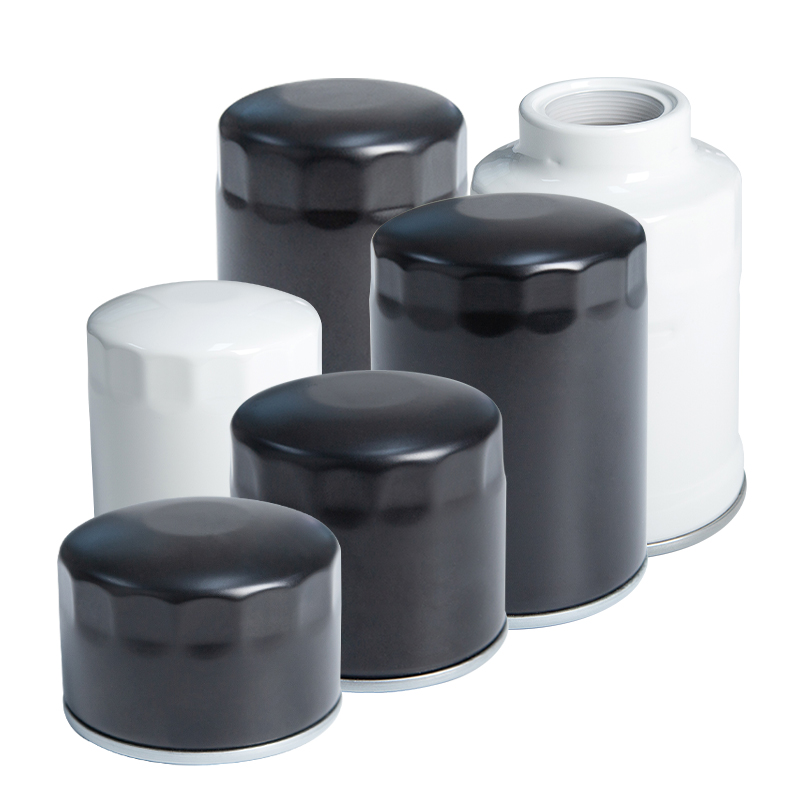
Understanding auto oil filter types helps wholesalers and distributors select the right products.
Spin-On Oil Filters
These are the most common car oil filters used worldwide.
Features include:
- Metal canister design
- Easy installation
- Fast replacement
They are widely used in passenger cars and light trucks.
Cartridge Oil Filters
Cartridge filters use a replaceable internal element inside a reusable housing.
They are common in:
- European vehicles
- Newer engine designs
These filters reduce environmental waste.
High-Performance Oil Filters
High-performance filters are designed for:
- High-performance engines
- Racing vehicles
- Heavy-duty applications
They offer higher flow rates and stronger housing structures.
How to Choose a Reliable Oil Filter Supplier
For distributors and importers, selecting the right oil filter supplier is essential.
Key factors include:
Manufacturing Capability
A professional oil filter manufacturer should have modern production lines and strict quality control systems.
Product Coverage
Suppliers should provide filters for: Japanese vehicles、European vehicles、American vehicles、Commercial vehicles
Wide coverage increases sales opportunities.
Certifications
Reliable manufacturers often hold certifications such as:
These certifications ensure consistent product quality.
Custom Branding
Many distributors prefer private label oil filters to build their own brand.
A professional supplier can provide:
- Custom packaging
- Logo printing
- Bulk wholesale supply
Why Oil Filters Are High-Demand Auto Parts
Oil filters are among the highest turnover products in the automotive aftermarket.
Reasons include:
- Every oil change requires a new filter
- High vehicle ownership globally
- Short replacement intervals
For auto parts distributors, oil filters provide:
- Stable demand
- Fast inventory turnover
- Repeat purchases from workshops
FAQ
Q1: Why is my oil filter stuck?
An oil filter may be stuck due to over-tightening, heat expansion, gasket bonding, or corrosion.
Q2: Can I remove an oil filter without a tool?
Yes. Some filters can be removed by hand. However, if the filter is tight, an oil filter wrench is recommended.
Q3: Is it safe to puncture an oil filter to remove it?
Puncturing the filter with a screwdriver is possible but should only be used as a last resort, as it can cause oil spills and damage.
Q4: Should I oil the gasket on a new oil filter?
Yes. Applying a thin layer of oil to the gasket helps create a proper seal and makes future removal easier.
Conclusion
Understanding how to get an oil filter off is a basic but important skill for automotive technicians and service professionals. Proper removal techniques, the right tools, and high-quality filters can prevent many common maintenance issues.
For auto parts wholesalers, distributors, and repair shops, choosing the right oil filter supplier or oil filter manufacturer ensures consistent product quality, reliable performance, and long-term customer satisfaction.
As vehicle ownership continues to grow worldwide, demand for car oil filters will remain strong. Businesses that provide high-quality oil filters and professional supply services will gain a competitive advantage in the global automotive aftermarket.