In the automotive aftermarket industry, reliability is everything. Whether you’re a distributor, parts supplier, or garage owner, identifying and addressing bad water pump symptoms early can prevent costly failures and build stronger trust with your customers.
The car water pump is one of the most critical components in any cooling system. Its failure can lead to overheating, engine damage, and expensive downtime — all of which can be avoided through early detection and proper maintenance.
This article explores not only how to recognize bad water pump symptoms in a car, but also how to diagnose the issue professionally and source the best-quality water pump for car replacements for long-term performance.
Understanding the Role of a Water Pump in a Car
A water pump car system is essentially the “heart” of a vehicle’s cooling system. It circulates coolant between the engine block, radiator, and heater core to maintain the correct operating temperature.
Without an efficient car water pump, the engine cannot regulate its internal heat levels, leading to overheating, component wear, and even total engine failure.
Key Functions of a Car Water Pump
| Function | Description |
| Coolant Circulation | Pushes coolant through the engine and radiator continuously |
| Temperature Control | Keeps engine temperature stable under various loads |
| System Pressure Maintenance | Ensures proper pressure within the cooling system |
| Component Protection | Prevents gasket and cylinder damage due to heat expansion |
Because of its continuous operation, the water pump for car is subject to mechanical wear and thermal stress. Recognizing failure symptoms early is crucial for both drivers and B2B service providers.
Top Symptoms of a Bad Water Pump in a Car
When a car water pump starts to fail, it rarely does so without warning. The following are the most common symptoms that indicate potential trouble — each of which requires prompt attention or replacement.
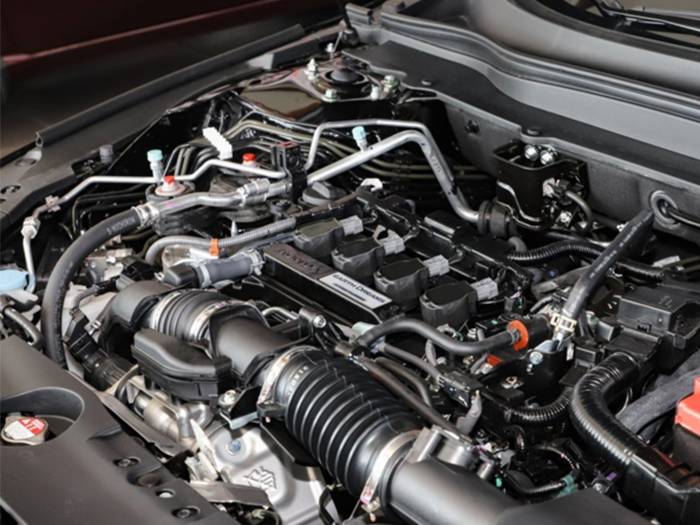
1. Overheating Engine
An overheating engine is the clearest sign of a malfunctioning water pump car. When the pump’s impeller or seals wear out, coolant flow becomes restricted, preventing heat from escaping efficiently.
Diagnostic Signs:
Temperature gauge consistently in the red zone
Warning light on dashboard
Steam from under the hood
Ignoring overheating can result in warped cylinder heads or blown head gaskets — both far more expensive than a water pump car replacement.
2. Coolant Leak Near the Water Pump
A leaking car water pump is another common issue. Coolant typically leaks through a small hole near the water pump housing, signaling a failing internal seal.
What to look for:
Green, orange, or pink puddles under the vehicle
Low coolant levels
Visible residue around the pump area
For workshops and B2B resellers, coolant leaks are a key indicator that the customer needs a water pump for car replacement soon.
3. Grinding or Squealing Noises
The internal bearings of a water pump for car can wear down with age, causing grinding, squealing, or rattling sounds during engine operation.
Such noises often mean the bearing assembly or pulley is nearing failure. This is a high-priority symptom since a seized water pump can cause timing belt failure or total engine shutdown.
4. Rust, Corrosion, or Contamination
Corrosion around the car water pump housing suggests that air, moisture, or contaminated coolant has entered the system.
When rust builds up inside the pump, it damages the impeller, causing poor coolant circulation and reduced cooling efficiency.
Common Causes:
Low-quality or incompatible coolant
Air trapped in the system
Coolant not replaced at scheduled intervals
For distributors, offering anti-corrosion water pumps or those made from high-grade aluminum alloy can be a strong selling point for long-term reliability.
5. Fluctuating Temperature Gauge Readings
If the temperature gauge moves erratically between cold and hot, it could indicate that the water pump car is not maintaining consistent coolant flow.
This inconsistency usually stems from impeller erosion or partial blockage within the pump. Such behavior calls for an immediate diagnostic test or pump replacement.
6. Steam Emission or Burning Smell
When a water pump for car fails completely, the engine may emit steam or a burning coolant smell. This is a severe symptom that indicates total coolant circulation loss.
The best course of action is to shut off the engine and schedule a water pump car replacement before more serious damage occurs.
Technical Causes of Water Pump Failure
Understanding the technical causes of water pump failure helps businesses and mechanics prevent issues before they arise.
| Cause | Explanation | Result |
| Worn Bearings | Caused by age, over-tensioned belts, or poor lubrication | Noise, pulley wobble |
| Seal Deterioration | Exposure to heat or contaminated coolant | Coolant leaks |
| Corrosion | Use of non-OEM coolant or improper mixture | Rust, reduced pump efficiency |
| Improper Installation | Incorrect torque, gasket failure, or misalignment | Early leakage or vibration |
| Coolant Contamination | Metal or debris in coolant damages impeller | Low flow rate |
Proper training and the use of quality replacement components significantly reduce these risks.
Professional Diagnostic Methods
Technicians and auto parts retailers should be able to verify whether the car water pump is the root cause of the issue before replacing it.
Here are common diagnostic methods:
- Visual Inspection: Check the housing for leaks, corrosion, or coolant stains.
- Pulley Test: Spin the pulley manually; roughness or looseness indicates bearing failure.
- Coolant Pressure Test: Use a cooling system pressure tester to check for internal leaks.
- Temperature Monitoring: Observe the coolant temperature curve during engine operation.
- Noise Detection: Use a mechanic’s stethoscope to pinpoint unusual bearing or impeller noises.
These steps ensure accurate diagnosis and prevent unnecessary water pump car replacement.
Water Pump Car Replacement — Best Practices
When it’s time for a water pump car replacement, following correct installation and handling procedures is crucial for long-term reliability.
Replacement Guidelines:
Always replace gaskets and seals with new ones
Clean mating surfaces thoroughly before installation
Torque bolts according to manufacturer specifications
Replace the timing belt (if applicable) simultaneously
Refill with recommended coolant mixture (typically 50/50 antifreeze and water)
For B2B suppliers, providing installation manuals or QR-code guides with each water pump for car shipment can add professional value for end users.
Replacement Intervals
Typically, a car water pump lasts 60,000–100,000 miles, depending on driving conditions, coolant quality, and vehicle design.
It’s best practice to replace the pump proactively during timing belt or coolant system overhauls — ensuring preventive maintenance and minimizing future downtime.
Selecting the Right Water Pump for B2B Supply
If you’re a distributor or retailer, choosing the right water pump for car suppliers is a strategic decision that directly impacts your brand reputation and customer satisfaction.
Here’s what to look for in a reliable manufacturer:
| Factor | What to Check |
| Material Quality | Aluminum or cast iron housing, durable seals, precision bearings |
| OEM Compatibility | Wide vehicle coverage, accurate OE reference numbers |
| Production Standards | ISO/TS 16949 or equivalent certification |
| Testing Procedures | Pressure, flow, and vibration testing for each batch |
| Packaging & Branding | Professional packaging, corrosion-resistant coating |
| After-Sales Support | Warranty coverage and technical consultation |
Partnering with a reputable water pump car manufacturer ensures product reliability and reduces customer returns.
Benefits of Offering Quality Water Pumps in the Aftermarket
For B2B buyers, offering premium-quality car water pump products can deliver multiple business benefits:
Reduced Warranty Claims — Reliable pumps minimize customer complaints.
Improved Customer Retention — Mechanics and fleet clients trust consistent quality.
Stronger Brand Positioning — High-quality parts enhance your reputation as a dependable supplier.
Competitive Edge — Faster delivery and verified quality help you win long-term contracts.
As demand for aftermarket cooling system parts continues to grow, positioning yourself as a trusted water pump for car distributor will strengthen your market presence.
Preventive Maintenance Tips for End Users
Encouraging your clients (workshops or retailers) to educate their customers about preventive care can help extend the service life of water pump car components.
Maintenance Recommendations:
Replace coolant regularly (every 2–3 years or as recommended)
Avoid mixing different coolant types
Use only distilled or deionized water for mixing
Check belts and pulleys for proper tension
Inspect water pump and radiator during every major service
Such maintenance habits not only reduce breakdowns but also promote repeat parts purchases in the aftermarket network.
Conclusion
A bad water pump in a car may start as a minor inconvenience but can quickly escalate into a costly engine failure if ignored. For professionals in the automotive aftermarket, understanding the symptoms of a bad car water pump, accurate diagnosis, and reliable sourcing are key to customer satisfaction and business growth.
Investing in high-quality water pump for car products from certified manufacturers ensures long service life, fewer complaints, and stronger performance across all vehicle types.
Whether you manage a wholesale network, workshop, or parts retail business, make water pump car replacement a priority when early symptoms appear — it’s a simple decision that saves both engines and reputations.