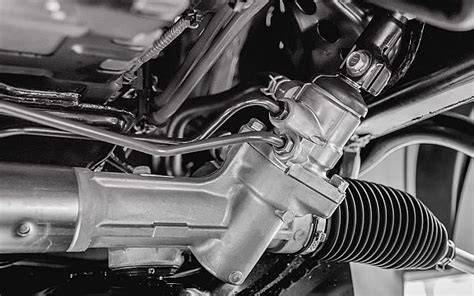
When installing a steering rack or steering rack and pinion system, precision is everything. One of the most common and frustrating issues faced by professional mechanics and auto parts installers is oil pipe interference — where the hydraulic pipe doesn’t fit properly during installation. This not only delays work but may lead to reorders, warranty claims, and unhappy end customers.
For B2B clients such as wholesalers, distributors, and service centers, understanding why this interference happens — and how to prevent it — is crucial for maintaining installation efficiency and product reliability.
In this article, we’ll blend a real-world case study with technical insights to help you fully understand the root causes of this issue and how to avoid it in your supply chain.
What Is Steering Rack Oil Pipe Interference?
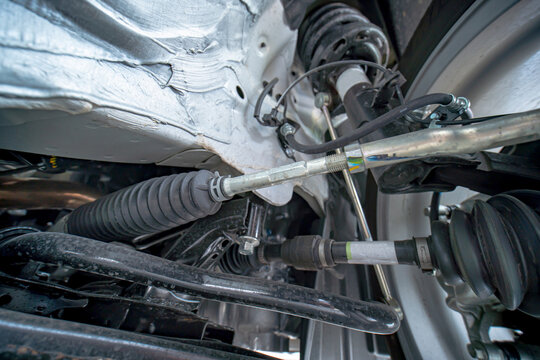
In hydraulic steering systems, the steering rack uses pressurized fluid delivered through oil pipes or hydraulic hoses. These pipes must be perfectly routed and fitted to ensure smooth steering performance.
Oil pipe interference occurs when:
The pipe does not align with the steering rack’s inlet/outlet ports,
The pipe hits the vehicle frame or nearby engine components,
The bend radius of the pipe is incorrect,
The pipe threads or fitting types don’t match the rack.
In short, even a small deviation can make the steering rack and pinion system difficult — or impossible — to install properly.
Top 6 Causes of Steering Rack Oil Pipe Interference
1. Incorrect Steering Rack Model or Variant
Using the wrong steering rack — even one slightly different in design — can cause misalignment between the oil ports and the pipe.
Solution: Verify compatibility by part number, OE spec, and whether the vehicle is left-hand drive (LHD) or right-hand drive (RHD).
2. Poorly Designed or Rigid Oil Pipes
A pipe that’s too short, too long, or lacks proper flexibility can easily get blocked by other parts under the hood.
Solution: Use oil pipes with the correct bend radius and length. Opt for braided flexible hoses when needed for tight spaces.
3. Manufacturing Deviations in the Steering Rack
If the steering rack and pinion is produced without strict quality control, the port positions might be slightly off, causing interference.
Solution: Work with certified suppliers who use CNC machining and adhere to ISO/TS16949 standards for steering components.
4. Aftermarket Modifications
Vehicles with engine swaps, aftermarket suspensions, or custom builds often have space constraints or component overlaps.
Solution: For modified vehicles, offer custom hydraulic pipe solutions or provide technical guidance for rerouting.
5. Wrong Installation Sequence
If the oil pipe is installed after the steering rack is fully mounted, space constraints can prevent proper fitting.
Solution: Install the oil pipe before tightening the final mounting bolts of the steering rack to give room for adjustments.
6. Incompatible Thread or Port Type
Sometimes the pipe physically fits, but the threads don’t match — causing not just interference, but potential leaks or damage.
Solution: Double-check the thread standard (e.g., BSP, NPT, Metric) and use adapters if needed for cross-region compatibility.
How This Affects Clients
For B2B clients — whether you’re a parts distributor, repair chain, or importer — small fitment errors can lead to:
- Shipping delays and costly reorders
- Installation complaints from garage partners
- Fleet downtime and customer dissatisfaction
- Lost revenue and increased return rates
Real-World B2B Scenario: Steering Rack Returns Due to Oil Pipe Misfit
One of our B2B clients — a leading auto parts distributor in South America — encountered a 7% product return rate for steering rack kits. Investigation revealed that the supplied steering racks were correct, but the oil pipes were designed for a different market variant (RHD vs LHD).
After switching to UJOIN Auto Parts’ steering rack and pinion assemblies bundled with matched oil pipe kits, the return rate dropped to under 1%, resulting in better customer satisfaction and faster installations.
| Problem | Root Cause | Fix |
| Pipe couldn’t connect | RHD variant oil pipe used on LHD rack | Match drive orientation in BOM |
| Thread mismatch | NPT pipe used with metric rack | Use region-specific adapters or pipes |
| Port angle wrong | Inconsistent rack design | Source from OE-standard supplier |
How to Prevent Oil Pipe Interference in Steering Rack Installations
Here’s how auto parts wholesalers and garage owners can avoid these costly issues:
- Partner with Reliable Steering Rack Manufacturers – Choose brands with proven quality control and OE-level precision.
- Provide Full Fitment Information – Include part diagrams, thread specs, and LHD/RHD compatibility with each rack.
- Bundle Steering Racks with Compatible Pipe Kits – Minimize the chance of mismatch by selling full kits rather than separate parts.
- Offer Technical Support to Installation Teams – Supply step-by-step installation instructions or videos if possible.
- Ask for 3D CAD drawings or physical fitment verification for large orders. – Document installation procedures in multilingual formats for global clients.
Conclusion
Avoid Steering Rack Installation Failures with Proper Fitment
When working with steering rack and pinion systems, even small errors can lead to big delays. Oil pipe interference is one of the most preventable problems in the installation process — as long as the right components, processes, and quality checks are in place.
Need OEM-Standard Steering Racks with Guaranteed Fitment?
At UJOIN Auto Parts, we specialize in providing precision-engineered steering racks, complete with matched oil pipe kits. Whether you’re supplying for Japanese, Korean, or European car models, we deliver:
OE-standard manufacturing
LHD/RHD model distinction
Global thread specification support
Custom branding and B2B packaging
Get in touch today for a product catalog, technical drawings, or a free quote.
Final Thought
Oil pipe interference may seem like a small detail — until it delays a project, damages your reputation, or eats into your profits. For any B2B operation dealing in steering rack and pinion systems, proactive fitment control is the key to success.