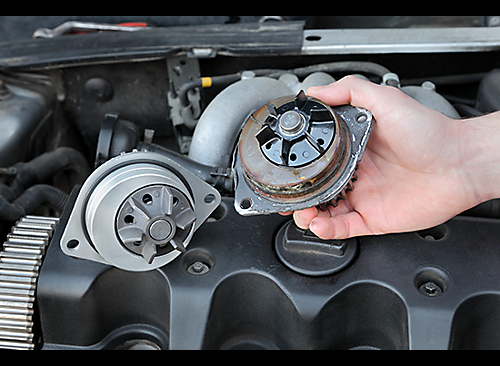
When it comes to the optimal performance of a vehicle, water pump is one of the most crucial yet often overlooked components. A car water pump plays a vital role in ensuring the engine remains at an optimal temperature during operation.
For auto parts suppliers and wholesale distributors in the B2B sector, understanding the functionality, importance, and market potential of water pumps is essential for maintaining a competitive edge and delivering value to end customers.
This blog explores the mechanics of automotive water pumps, their importance, and how partnering with reliable auto water pump manufacturers can enhance your supply chain.
What is a Car Water Pump?
A car water pump is a mechanical device that circulates coolant through the engine block, radiator, and hoses to remove excess heat from the engine. Usually driven by a belt from the crankshaft, the water pump ensures that the engine does not overheat, which can cause severe damage.
It is responsible for moving coolant through the engine and radiator. It keeps the temperature within safe limits and prevents engine damage. For automotive wholesalers and fleet service providers, the water pump is a high-demand, high-turnover part.
How Does a Water Pump Work?
The water pump functions by using centrifugal force to push coolant through the cooling system. The impeller, a rotating component inside the pump, spins and creates a flow of coolant. This coolant absorbs the heat generated by the engine and transfers it to the radiator, where it is cooled before returning to the engine.
Most car water pumps are centrifugal pumps. Here’s how they work step-by-step:
Activation: When the engine runs, it rotates a belt connected to the pump pulley.
Impeller Rotation: The pulley turns an impeller inside the pump housing.
Coolant Movement: The spinning impeller forces the coolant outward through centrifugal force, pushing it into the engine block.
Cycle: The coolant absorbs heat and is pushed to the radiator, where it cools down before returning to the water pump.
This cycle continues as long as the engine is running, ensuring the engine remains within safe operating temperatures.
Understanding the main parts of a water pump can help with diagnostics and product sales:
- Housing: Usually made of aluminum or cast iron; it encloses the internal parts.
- Impeller: A metal or plastic blade assembly that spins to move coolant.
- Shaft: Connects the impeller to the pulley.
- Bearing: Supports the shaft and allows smooth rotation.
- Seal: Prevents coolant from leaking out of the pump.
- Pulley: Receives mechanical power from the engine’s belt.
Why is the Water Pump Important?
If the water pump fails, the engine can overheat, leading to costly repairs or even engine replacement. For fleet managers and commercial vehicle operators, water pump failure means increased downtime and reduced operational efficiency. Thus, quality water pumps are critical to maintaining vehicle reliability.
Signs of a Failing Water Pump
Coolant Leaks: Visible drips near the pump’s front housing.
Overheating: Rising engine temperatures due to reduced coolant flow.
Noise: Grinding or whining from worn bearings.
Steam from Engine: Indicates severe overheating.
Coolant leaks near the front of the vehicle
Engine overheating
Steam from the radiator
Whining or grinding noise from the engine
Rust or corrosion on the water pump
Water Pump Replacement and Maintenance
While some water pumps can last over 100,000 miles, they should be inspected regularly and replaced as part of scheduled maintenance. For suppliers and wholesalers, providing high-quality water pumps that are durable and easy to install is key to customer satisfaction.
OEM vs. Aftermarket Water Pumps
OEM (Original Equipment Manufacturer) water pumps are made by the vehicle’s manufacturer and guarantee exact fit and performance. Aftermarket water pumps, on the other hand, are produced by third-party companies and can offer competitive pricing and improved materials. B2B buyers must evaluate compatibility, performance, and warranty options.
Types of Car Water Pumps
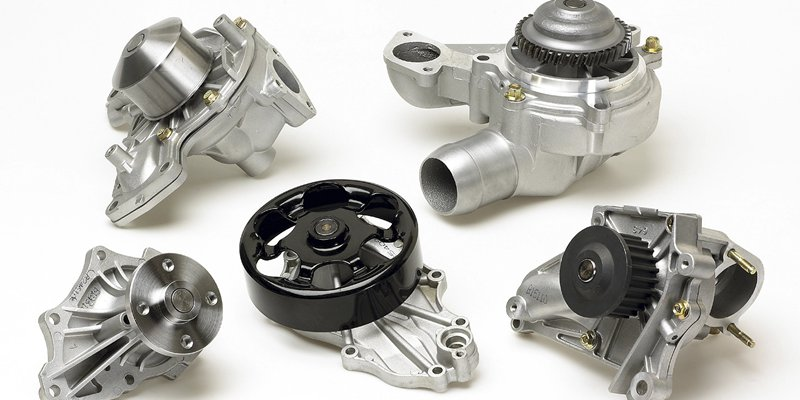
Understanding different water pump types helps in stocking the right parts:
Mechanical Water Pumps
- Traditional belt-driven type.
- More common in older and budget vehicles.
Electric Water Pumps
- Controlled electronically.
- More efficient, used in hybrids and modern vehicles.
Variable Water Pumps
- Adjust flow rate based on engine demand.
- Improves fuel economy and emissions.
Future Trends in Water Pump Technology
Smart Pumps: Controlled by vehicle sensors to optimize performance
Eco-Frendly Coolants: Compatibility with new formulations
Integrated Systems: Water pumps combined with thermostats and sensors
Quality Standards:
Check for certifications (ISO, TS16949)
Evaluate product range and technical support
Review customer testimonials and case studies
Confirm warranty and return policies
Consider logistics and delivery times
Innovation:
Manufacturers investing in R&D for lightweight or corrosion-resistant designs.
Car water pumps are indispensable to engine health. It’s a critical part of a vehicle’s cooling system.
For B2B automotive suppliers and distributors, investing in high-quality water pumps and educating customers on their importance can lead to stronger business relationships and a more robust product offering. Staying informed about technology advancements and market trends in water pumps is vital to remaining competitive in the automotive aftermarket.
If you’re looking to replace your water pump, don’t wait! Look no further than UJOIN. Ensures your parts are reliable and your vehicle stays in top condition. Ready to find your ideal supplier?