Introduction: The Critical Role of Sourcing the Right Steering Rack Supplier
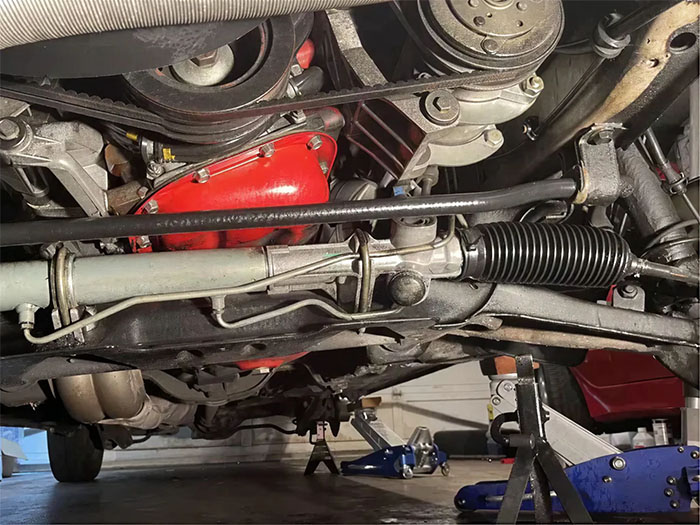
The steering system stands out as one of the most vital safety-critical assemblies in any vehicle. Among its core components, the steering rack and pinion assembly is responsible for converting the rotational motion of the steering wheel into the linear movement required to turn the vehicle’s road wheels. Because failure of a steering rack directly impacts vehicle handling, driver safety, and vehicle stability, high standards of engineering, structural integrity, and manufacturing precision are non-negotiable.
For automotive parts wholesalers, regional distributors, commercial fleet managers, and busy auto repair shops, procuring steering components represents both a major revenue driver and a significant operational liability. Stocking substandard or unreliable rack and steering assemblies can severely damage your brand reputation, trigger costly warranty returns (RMA), eat into profit margins, and, worst of all, compromise customer safety. Conversely, building a long-term strategic partnership with a dependable steering rack supplier empowers your business to deliver original equipment (OE)-equivalent quality, maintain competitive pricing, ensure consistent inventory availability, and maximize client retention.
As a premier global automotive supplier, Ujoin Auto Parts understands the intricate challenges B2B procurement professionals face when evaluating global vendors. Whether you are expanding your catalog to include modern Electric Power Steering (EPS) units, hydraulic steering assemblies, or manual steering gears, navigating the global manufacturing landscape requires a methodical assessment strategy. This comprehensive guide details the exact step-by-step criteria, technical audits, and quality assurance benchmarks you must utilize to identify, evaluate, and verify an outstanding steering rack manufacturer and trusted China Auto Parts Supplier.
Understanding the Steering Rack Market and Core Product Technologies
Before evaluating potential manufacturing partners, procurement managers must understand the technological distinctions within the modern steering rack and pinion category. The automotive steering industry has evolved significantly over the past two decades, transitioning from traditional mechanical setups to sophisticated electronic systems. A competent steering rack supplier should demonstrate comprehensive expertise across all three primary steering rack classifications:
1. Hydraulic Power Steering Racks (HPS)
Hydraulic power steering racks rely on pressurized power steering fluid provided by an engine-driven pump to assist the driver in turning the wheels. Key manufacturing challenges for hydraulic units involve internal pressure management, precision valve spool fitting, and high-durability oil seals. When sourcing hydraulic rack and steering assemblies, your supplier must use premium-grade rubber seals (such as NBR or Viton) and heat-treated chrome shafts to eliminate fluid leaks under severe thermal expansion and high system pressures.
2. Electric Power Steering Racks (EPS)
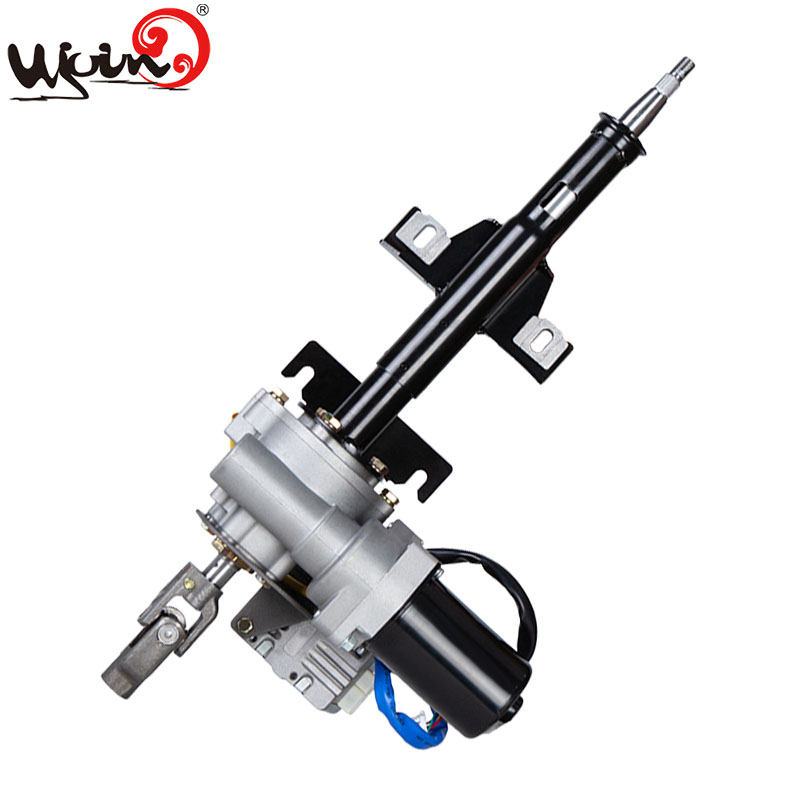
Electric Power Steering (EPS) has quickly become the standard across modern passenger cars and light commercial vehicles. EPS systems eliminate hydraulic fluid, replacing pumps and hoses with an electric motor, internal sensors (torque and angle sensors), and an integrated Electronic Control Unit (ECU). Sourcing EPS assemblies requires working with an advanced steering rack manufacturer equipped with cleanroom assembly facilities, electronic diagnostic testing equipment, and precise sensor calibration tools. A reliable partner ensures that EPS software and electronic protocols seamlessly match original factory specs, preventing dashboard warning lights and steering assistance drop-outs.
3. Manual Steering Racks
While less common in modern passenger cars, manual steering racks remain vital for lightweight vehicles, specialized automotive applications, budget passenger models, and specific regional markets. Manual units rely entirely on mechanical advantage, demanding ultra-precise teeth grinding on the rack bar and pinion gear to ensure smooth, low-friction operation without excessive backlash.
| Technology Type | Core Components | Key Manufacturing Focus | Primary Target Applications |
| Hydraulic (HPS) | Chrome Rack Bar, Valve Spool, High-Pressure Oil Seals, Cylinder | Pressure leakage prevention, micro-finish machining, seal durability | Older vehicle fleets, heavy-duty commercial vehicles, trucks |
| Electric (EPS) | Electric Assist Motor, Torque/Angle Sensors, ECU, Internal Belt/Gear | Cleanroom assembly, ECU diagnostic compatibility, sensor calibration | Modern passenger cars, EVs, hybrid vehicles (2010+ models) |
| Manual | Hardened Pinion Gear, Rack Bar, Bushings, Adjuster Plug | Gear tooth grinding precision, backlash elimination, low-friction wear | Budget vehicles, lightweight compacts, vintage/specialized applications |
Nine Critical Criteria for Evaluating a Steering Rack Supplier
When shortlisting potential manufacturing partners for your automotive supply chain, evaluating suppliers solely on per-unit purchase price is a recipe for operational failure. Quality, consistency, technical support, and logistical efficiency are equal pillars of long-term profitability for automotive parts wholesalers and distributors. Below are nine mandatory criteria to benchmark every prospective vendor:
1. Quality Management Systems & International Certifications
A top-tier steering rack manufacturer must hold rigorous quality certifications tailored specifically to the automotive industry. Look for ISO 9001 certification as a baseline, and prioritize suppliers that hold IATF 16949 certification (the international standard for automotive quality management systems). IATF 16949 compliance indicates that the factory operates under strict defect-prevention processes, standardized production flows, Advanced Product Quality Planning (APQP), and continuous improvement methodologies.
2. Superior Raw Material Selection & Precision Engineering
The durability of a steering rack and pinion assembly depends entirely on the raw materials used in production:
- Rack Shaft / Shaft Bars: High-strength carbon alloy steel (such as 45# or 40Cr steel) subjected to induction hardening and precision induction heat treatment to resist bending, twisting, and premature wear.
- Surface Finishing: Precision centerless grinding followed by hard chrome plating (coating thickness usually 15–25 microns) to achieve an ultra-smooth surface roughness (Ra < 0.2 µm), minimizing seal friction and corrosion.
- Housing & Castings: High-density die-cast aluminum or ductile iron free from porosity, blowholes, or micro-cracks that could cause structural fracture under heavy dynamic loads.
- Seals & Rubber Boots: Premium OEM-grade seals (Nok or equivalent) and durable dust boots made from high-grade neoprene or thermoplastic elastomer (TPE) resistant to ozone, extreme cold, oil, and road salt.
3. Comprehensive In-House Testing Capabilities
Never partner with a vendor that relies on third-party facilities or batch sampling for basic quality control. A legitimate China Auto Parts Supplier will perform 100% end-of-line testing on every single steering rack before packaging. Crucial testing protocols must include:
- High & Low Pressure Hydraulic Leak Testing: Verifying hydraulic valve integrity and cylinder seals under pressures exceeding normal operating conditions.
- Rotational Torque & Friction Testing: Measuring input shaft pinion torque across the entire stroke to ensure smooth turning without tight spots or binding.
- NVH (Noise, Vibration, and Harshness) Analysis: Detecting abnormal gear meshing noises, pump whining, or electrical motor hum in EPS models.
- Durability & Fatigue Life Simulation: Subjecting sample units to over 1,000,000 continuous full-stroke directional cycles under load to verify long-term fatigue resistance.
4. Catalog Depth & Vehicle Application Coverage
As a distributor or repair shop owner, sourcing from multiple fragmented vendors increases logistics costs and inventory complexity. A top-rated steering rack supplier maintains an expansive product catalog covering left-hand drive (LHD) and right-hand drive (RHD) configurations for European, American, Japanese, Korean, and Chinese passenger cars, SUVs, and commercial vans. Ensure your supplier continuously invests in tooling and R&D to quickly release steering rack assemblies for newly released vehicle models.
5. Production Capacity, Lead Times, and Scalability
Supply chain disruptions can devastate an automotive business. Verify the manufacturer’s monthly production output, automated CNC machining equipment count, and warehousing infrastructure. A robust supplier can manage seasonal demand surges, fulfill container-load orders within 30 to 45 days, and maintain a safety stock of fast-moving SKUs for rapid order dispatch.
6. OEM & Private Label (White Label) Capabilities
If your company operates under a proprietary brand name, choose a supplier offering complete customized OEM/ODM services. This includes laser-engraving custom part numbers on housings, custom packaging boxes, anti-counterfeit labels, tailored installation manuals, and customized protective caps.
7. Transparent Warranty Terms and Low RMA Rates
Substandard steering racks typically exhibit return rates exceeding 3% to 5%, destroying retail profitability through labor claims and return shipping costs. Premium suppliers keep their defective return rate (RMA) below 0.5% and back their products with a clear, straightforward warranty (typically 12 to 24 months or 30,000 to 50,000 kilometers).
8. Packaging Integrity & Shipping Protection
Steering racks are heavy, long, and precision-machined assemblies vulnerable to bending or shaft damage during transit. Evaluate how the supplier packs shipments: each unit should be sealed in anti-rust VCI polybags, anchored inside heavy-duty multi-ply corrugated individual cartons, and palletized with reinforced corner protectors and shrink wrap.
9. Direct Manufacturer Pricing vs. Middlemen Markup
Working directly with an established China Auto Parts Supplier eliminates middleman trading margins, providing factory-direct pricing that leaves healthy profit margins for automotive parts wholesalers while maintaining strict OE manufacturing quality standards.
Step-by-Step Guide: How to Audit and Verify a Steering Rack Supplier
To protect your procurement investment, follow this proven four-step verification process before signing a major purchase agreement with any steering rack supplier:
Step 1: Background Research & Document Verification
To ensure you are partnering with a legitimate manufacturer rather than a temporary trading setup, conduct a thorough dual-layer background check:
- Document Verification: Verify legal business licenses, tax registrations, export qualifications, and confirm ISO 9001 / IATF 16949 certificates directly with the issuing bodies.
- Website & Digital Assets: Review their official portal (such as https://www.ujautoparts.com/) to inspect product catalogs and corporate background.
- Social Media Activity & Content Progress: Audit their presence on key platforms (LinkedIn, Facebook, YouTube). Active posting schedules, live factory floor videos, team updates, and consistent content publishing reflect a healthy, operational business with transparent daily operations and high market vitality.
Step 2: Sample Order & Technical Teardown Inspection
Never place a large container order without first requesting and thoroughly evaluating physical product samples. Once sample rack and steering units arrive, perform a thorough inspection:
- Dimensional Accuracy: Verify mounting hole positions, shaft splines, tie rod thread pitches, and overall rack length against original OE specifications using precision calipers.
- Machining & Surface Finish: Inspect the chrome plating for pinholes, flaking, or machining chatter marks.
- Road Testing / Bench Testing: Mount the sample unit on a test bench or vehicle to check response effort, returnability, dynamic hydraulic pressure, or electronic EPS sensor communication.
Step 3: Conduct a Virtual or On-Site Factory Audit
If possible, schedule an on-site factory visit or hire a trusted third-party inspection agency (such as SGS, TÜV, or Bureau Veritas). If travel is restricted, request a live video audit. Key inspection areas include:
- Raw Material Storage: Are steel bars and castings stored indoors with rust protection?
- CNC Machining Workshop: Does the factory utilize modern automated multi-axis CNC machines for rack housing and shaft milling?
- Dust-Controlled Assembly Line: Are EPS and valve assemblies constructed in clean, temperature-controlled environments?
- 100% End-of-Line Testing Equipment: Verify that hydraulic and electronic test benches are actively testing every unit on the assembly line.
Step 4: Execute a Small-Batch Trial Order
Once samples pass technical inspection, place an initial trial order (e.g., 50 to 200 units across popular SKUs). Monitor shipment lead times, packaging quality, custom documentation accuracy, and real-world customer feedback from auto repair shops before committing to full container load purchases.
Common Sourcing Pitfalls and How to Avoid Them
Procuring steering rack and pinion assemblies from overseas manufacturers comes with potential pitfalls if procurement teams are unprepared. Here are four common mistakes B2B buyers make—and how to prevent them:
1. Falling for Unreasonably Low Unit Prices
If a vendor offers prices 30% below the market average, they are inevitably cutting corners on critical quality elements—such as using recycled rubber seals, low-grade untreated steel, thin chrome plating, or skipping end-of-line testing. Cheap steering racks frequently leak within months of installation, creating customer dissatisfaction and high warranty costs.
2. Neglecting Seal Quality and Hydraulic Fluid Compatibility
Hydraulic steering racks operate under pressures reaching 100+ bar (1,450+ PSI). Inferior oil seals swell, harden, or tear when exposed to high heat or synthetic hydraulic fluids, leading to fluid leaks. Always specify OEM-grade double-lip oil seals rated for extreme temperatures (-40°C to +150°C).
3. Overlooking EPS Calibration and Software Protocol Matching
Installing an EPS unit with improperly calibrated torque sensors or mismatched ECU CAN-bus protocols can cause loss of power assist, heavy steering effort, or system error codes. Work with an experienced steering rack manufacturer that validates ECU software compatibility across global car models.
4. Failing to Clarify Commercial Warranty Responsibilities
Always insist on explicit written warranty terms covering replacement unit dispatch, freight compensation for defective items, and clear claim submission procedures.
5. Why Partner with Ujoin Auto Parts for Premium Steering Systems
When it comes to sourcing world-class steering components, Ujoin Auto Parts (https://www.ujautoparts.com/) stands out as a leading, highly trusted China Auto Parts Supplier serving automotive parts wholesalers, commercial distributors, and automotive service networks worldwide.
Here is why industry professionals choose Ujoin Auto Parts as their strategic steering partner:
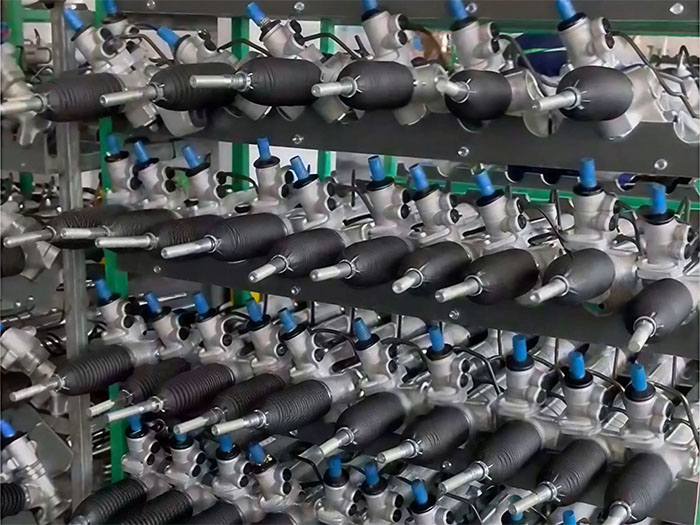
- Uncompromising Manufacturing Precision: Ujoin Auto Parts utilizes state-of-the-art multi-axis CNC machining, automated shaft grinding, and strict heat-treatment processes to meet or exceed original equipment (OE) specifications.
- Rigorous 100% Quality Testing: Every single steering rack and pinion assembly produced by Ujoin undergoes rigorous high-pressure fluid leak testing, input shaft torque analysis, and electronic EPS diagnostic verification prior to packaging.
- Extensive SKU Range & Fast Delivery: With thousands of active SKUs covering European, American, Japanese, and Asian passenger cars and light commercial vehicles, Ujoin provides complete market coverage with short delivery lead times.
- Full OEM / White Label Support: From customized box designs and branded laser engraving to anti-counterfeit protection, Ujoin helps distributors build strong local brand equity.
- Dedicated B2B Customer Support: Our multilingual engineering and logistics specialists provide continuous technical support, seamless order tracking, and hassle-free warranty fulfillment.
Frequently Asked Questions
Q1: What is the typical lifespan of a premium aftermarket steering rack?
A high-quality aftermarket steering rack manufactured to OE specifications typically lasts between 100,000 to 150,000 kilometers (approx. 60,000 to 90,000 miles), depending on driving conditions, road quality, and regular power steering fluid maintenance.
Q2: Why should automotive parts wholesalers partner with a specialized China Auto Parts Supplier for rack and steering assemblies?
China’s advanced automotive manufacturing ecosystem offers unparalleled economies of scale, cutting-edge automated production lines, and competitive pricing. Partnering directly with an established auto parts supplier like Ujoin Auto Parts allows automotive parts wholesalers to maximize profit margins while delivering OE-equivalent reliability.
Q3: How do I verify that an EPS (Electric Power Steering) rack will work with local vehicle electronics?
Reputable suppliers utilize OEM-grade torque/angle sensors and test ECU communications using standard OBD/CAN-bus diagnostic tools. Always request software compatibility verification and sample units for diagnostic scanning prior to placing bulk orders.
Q4: What testing documentation should I demand before approving a supplier?
You should request IATF 16949 / ISO 9001 certificates, raw material chemical and hardness inspection reports, micro-finish shaft roughness charts, 100% hydraulic leak test certificates, and salt-spray corrosion resistance test results.
Q5: How does Ujoin Auto Parts ensure safe transport for bulk ocean freight shipments?
Ujoin Auto Parts uses VCI anti-rust polybags, custom-fitted inner foam support, heavy-duty 5-ply corrugated individual boxes, and reinforced wooden pallets wrapped in waterproof film to prevent transit rust or structural damage.
Q6: What is the standard minimum order quantity (MOQ) and lead time at Ujoin Auto Parts?
Ujoin Auto Parts offers flexible MOQs tailored to wholesaler needs, with standard production lead times ranging between 30 to 45 days. For fast-moving SKUs maintained in our warehouse buffer stock, dispatch can occur within 7 to 14 days.
Conclusion
Selecting the right steering rack supplier is one of the most consequential decisions an automotive procurement executive can make. By systematically verifying quality certifications, raw material engineering, in-house testing protocols, and after-sales support, your business can avoid costly quality failures and build a reputation for reliability.
Whether you operate as automotive parts wholesalers, regional distributors, or a chain of professional auto repair shops, Ujoin Auto Parts is ready to be your long-term, trusted China Auto Parts Supplier. Explore our comprehensive range of hydraulic, electric, and manual rack and steering assemblies today.
Visit our official website to request a digital catalog or consult with our engineering experts.