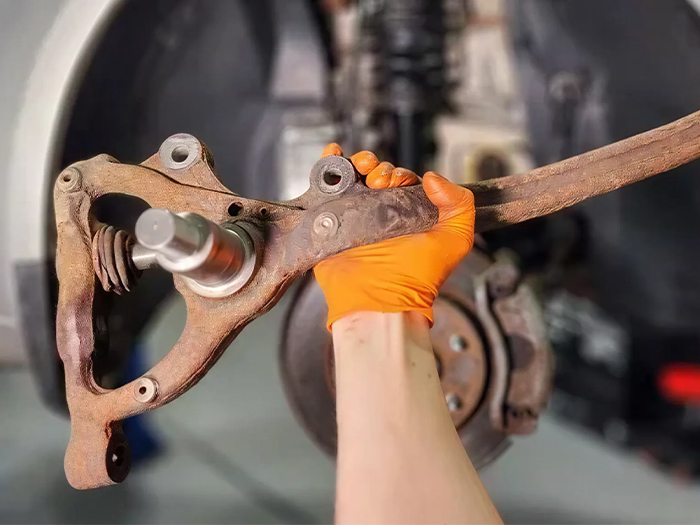
Steering Knuckles Sourcing from a Wholesaler’s Perspective
For auto parts wholesalers, steering knuckles are not just another suspension component—they are a high-liability, safety critical product that directly affects steering accuracy, suspension stability, and braking performance. Choosing the wrong steering knuckles manufacturer can result in high return rates, warranty claims, customer complaints, and even brand reputation damage.
This article is written specifically for auto parts wholesalers, importers, distributors, and aftermarket brand owners. Instead of listing brands, it focuses on how to evaluate and select reliable steering knuckles suppliers for wholesale, bulk, and customizable procurement.
If your goal is to build a stable long term supply chain—not short term trading—this guide will help you make the right sourcing decisions.
Understanding Steering Knuckles in the Aftermarket Supply Chain
A steering knuckle connects multiple critical systems:
- Steering rack or tie rod
- Control arm and suspension
- Wheel hub and bearing
- Brake caliper and disc
Because of this integration, dimensional accuracy, material strength, and machining precision are essential. For wholesalers, inconsistent quality across batches is one of the most common sourcing risks.
That is why working directly with a professional steering knuckles manufacturer, rather than a general parts trader, is crucial.
Why Steering Knuckles Are High-Risk Products for Wholesalers
From a wholesaler’s point of view, steering knuckles present several challenges:
- High unit weight → higher logistics cost
- Complex structure → higher machining requirements
- Installation sensitivity → higher return risk
- Safety relevance → strict quality expectations
A qualified steering knuckles supplier must be able to control these risks at the manufacturing level.
8 Steps to Choose a Steering Knuckle Manufacturer
Below is an expanded and practical 8-step evaluation framework, designed specifically for auto parts wholesalers managing bulk purchases, long-term supply contracts, and private-label programs.
Step 1: Verify Manufacturer Identity (Factory vs Trading Company)
For auto parts wholesalers, confirming whether you are dealing with a real steering knuckles manufacturer is the first and most critical step.
A true manufacturer should be able to demonstrate:
- Ownership or long-term control of casting/forging facilities
- In-house CNC machining capability
- Dedicated quality control department
- Engineering or technical support team
From a wholesale perspective, factory-direct suppliers provide:
- More consistent quality across bulk orders
- Greater price stability for long-term contracts
- Faster response for technical or quality issues
- Real customization instead of reselling limitations
Traders may offer flexibility in sourcing, but they often lack control over batch consistency—posing higher risks for wholesalers.
Step 2: Evaluate Material Selection and Engineering Judgment
Professional steering knuckles suppliers should not only list materials, but also explain why a specific material is suitable for a certain vehicle application.
Key materials include:
- Ductile iron (QT450 / QT500 / QT600) for strength and durability
- Aluminum alloys (A356 / 6061-T6) for lightweight performance
Wholesalers should assess whether the supplier can:
- Recommend materials based on vehicle weight and usage
- Balance cost and performance for aftermarket positioning
- Apply proper heat treatment and metallurgical control
Strong engineering judgment reduces failure rates and improves long-term aftermarket performance.
Step 3: Assess Manufacturing Process and Machining Accuracy
Steering knuckles require complex multi-surface machining. Poor process control can lead to fitment issues, noise, or premature wear.
Reliable steering knuckles manufacturers typically operate:
- Precision casting or forging lines
- Multi-axis CNC machining centers
- Defined tolerance control standards
- Consistent surface treatment processes
For wholesalers, the key concern is repeatability in bulk production. Ask suppliers how they ensure machining accuracy remains consistent from the first batch to the thousandth unit.
Step 4: Review Quality Control System and Risk Prevention
From a wholesaler’s risk-management standpoint, quality systems matter more than marketing claims.
Minimum expectations include:
- ISO 9001-certified quality management system
- Incoming material inspection
- In-process quality checks
- Final inspection before shipment
Advanced suppliers may also implement IATF 16949 practices, SPC control, and traceability systems—especially valuable for high-volume wholesale orders.
Documented quality control reduces return rates, disputes, and downstream customer complaints.
Step 5: Evaluate Customization Capability for Wholesale Programs
Customization is increasingly important for wholesalers building private-label or regional brands.
A capable steering knuckles manufacturer should support:
- OE number cross-referencing and confirmation
- Custom packaging and labeling
- Logo casting, engraving, or laser marking
- Design optimization or new mold development
Wholesalers should verify whether customization is handled in-house, ensuring shorter lead times and better cost control.
Step 6: Analyze MOQ Policy, Bulk Pricing, and Capacity Scalability
Wholesale buyers must balance inventory risk with competitive pricing.
A reliable steering knuckles supplier should offer:
- Reasonable MOQ for trial orders
- Transparent wholesale pricing structure
- Stable lead times for repeat bulk orders
- Production capacity aligned with growth expectations
Avoid suppliers who focus only on small orders or spot transactions—they often struggle with large-scale consistency.
Step 7: Confirm Export Experience and Market Compliance
For international wholesalers, export capability is non-negotiable.
Professional manufacturers should demonstrate:
- Experience with EU, US, Middle East, and other key markets
- Familiarity with export documentation and customs requirements
- Protective packaging suitable for long-distance transport
Export-experienced steering knuckles suppliers help wholesalers avoid delays, compliance issues, and logistics damage.
Step 8: Assess After-Sales Support and Technical Responsiveness
After-sales service directly impacts a wholesaler’s reputation with downstream distributors and workshops.
Strong suppliers provide:
- Fast response to technical inquiries
- Installation guidance and drawings
- OE application verification
- Clear process for handling quality feedback
For wholesalers, responsive after-sales support transforms a supplier from a vendor into a long-term strategic partner.
Wholesale Steering Knuckles: Factory Direct vs Multi-Level Supply
| Supply Model | Suitable for | Risk Level |
| Factory Direct | Wholesalers & brands | Low |
| Regional Distributor | Small buyers | Medium |
| Multi�level trading | Spot purchasing | High |
For long term wholesale business, factory direct sourcing offers better margins and quality stability.
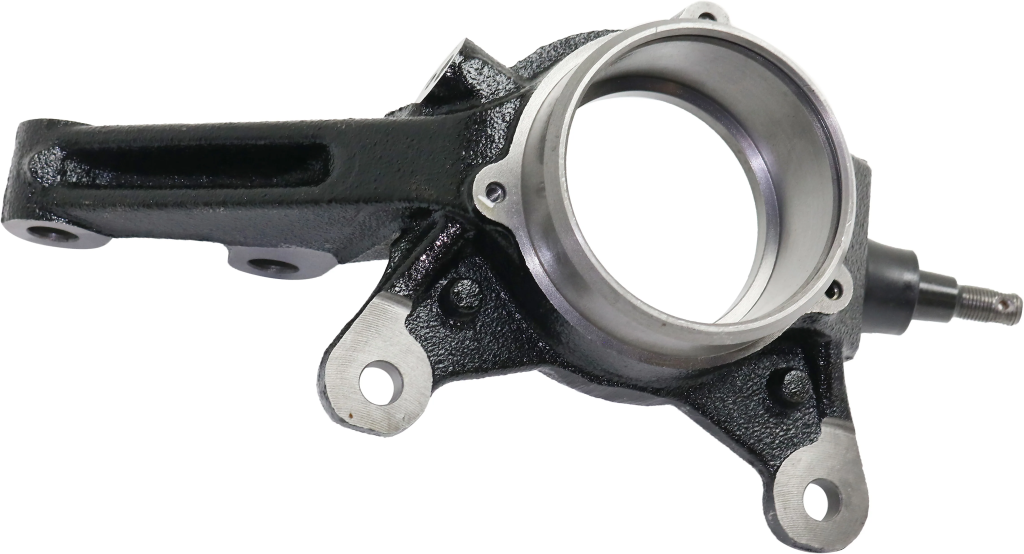
Common Mistakes Auto Parts Wholesalers Make When Sourcing Steering Knuckles
Choosing price over manufacturing capability
- Ignoring machining tolerances
- No sample validation before bulk order
- Lack of OE number verification
- No long term capacity assessment
Avoiding these mistakes significantly improves sourcing success.
Future Trends Affecting Steering Knuckles Wholesalers
Increased demand for lightweight aluminum knuckles
- EV specific suspension structures
- Integrated hub and bearing designs
- Higher expectation for OEM�equivalent aftermarket quality
Forward looking wholesalers should align with manufacturers investing in these trends.
FAQ
Q1: Are factory direct steering knuckles cheaper for wholesalers?
Yes. Factory direct sourcing removes middle man margins and offers better pricing for bulk and wholesale orders.
Q2: Can steering knuckles be customized for private labels?
Yes. Many manufacturers support logo branding, packaging customization, and OE based design adjustments.
Q3: What MOQ is reasonable for wholesale steering knuckles?
MOQ usually ranges from 50 to 300 sets, depending on design complexity and material.
Q4: How can wholesalers reduce return risk?
By choosing suppliers with stable machining accuracy, strict QC systems, and sample approval before bulk orders.
Q5: Are aluminum steering knuckles suitable for aftermarket sales?
Yes, when produced by qualified manufacturers with proper heat treatment and testing.
Q6: What documents should wholesalers request before placing bulk orders?
Certifications, material reports, inspection records, and OE cross reference lists.
Conclusion
For auto parts wholesalers, selecting the right steering knuckles manufacturer is not a short�term purchasing decision—it is a supply chain strategy.
By focusing on factory capability, quality systems, customization support, and wholesale scalability, wholesalers can reduce risk, improve margins, and build long term competitiveness in the global aftermarket.
A professional, factory direct steering knuckles supplier is not just a vendor, but a strategic partner for sustainable growth.
For factory-direct steering knuckles sourcing, or bulk supply discussions, Ujoin Auto Parts is ready to support your auto parts business growth.