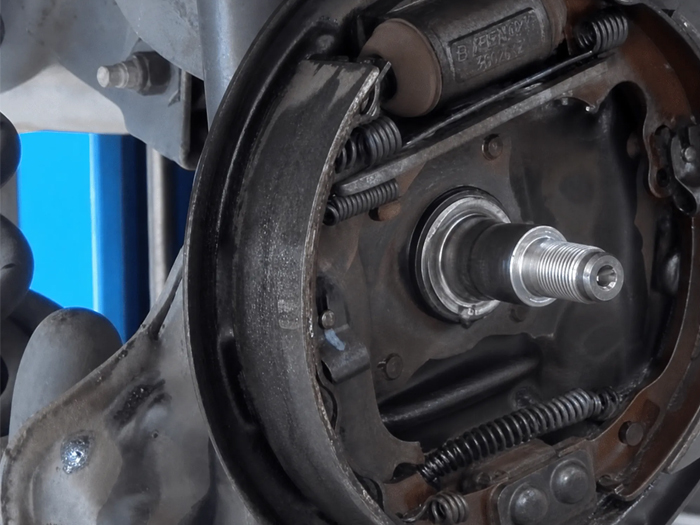
Navigating the automotive aftermarket requires sourcing partners who balance uncompromising safety standards with commercial viability. For automotive parts wholesalers, regional distributors, and large-scale repair network managers, selecting a high-caliber Brake Shoes Supplier represents far more than a routine procurement task. The friction components you distribute directly influence vehicle road safety, fleet operational up time, client retention, and your enterprise’s brand equity in an increasingly competitive marketplace.
Brake shoes remain a fundamental, high-demand replacement component across light commercial vehicles, passenger cars, passenger vans, and heavy-duty trucks utilizing drum brake architectures. However, the international auto parts supply chain presents marked variations in manufacturing precision, raw material integrity, tooling accuracy, and quality control. Partnering with an under performing manufacturer exposes your organization to severe liabilities, including premature lining wear, excessive dusting, severe drum score marks, persistent customer warranty claims, and costly shipment delays.
To safeguard your business profits and reputational integrity, this definitive operational guide outlines the core criteria required to evaluate, audit, and establish a strategic partnership with a premier Brake shoes manufacturer. Whether you are expanding your existing brake catalog or seeking to optimize procurement costs, understanding these critical supplier benchmarks will elevate your sourcing strategy.
Understanding Brake Shoe Manufacturing Standards & Material Formulations
At the core of every high-performing brake shoe lies advanced materials science and metallurgical engineering. A drum brake assembly operates in an environment characterized by sudden thermal spikes, high mechanical shear stress, and repetitive friction cycles. Consequently, assessing a potential supplier’s core technical capabilities begins with a thorough examination of their manufacturing processes and friction lining formulations.
Friction Material Formulations: Matching Application to Compound
A capable Brake shoes manufacturer must offer distinct friction formulations tailored to specific vehicle platforms, duty cycles, and regional climate conditions. Professional automotive buyers should evaluate suppliers based on their expertise across three primary friction compounds:
- Non-Asbestos Organic (NAO) Linings: Composed of synthetic fibers, high-temperature aramid, metallic powder, and organic resins. Non-asbestos organic linings deliver smooth, ultra-quiet braking operation, minimal wear on brake drums, and low dust generation. They are perfectly suited for light-duty passenger vehicles and urban commuting environments.
- Semi-Metallic Formulations: Formulated with a balanced blend of steel fibers, copper flakes, graphite, and structural friction modifiers. Semi-metallic shoes excel in heat dissipation, mechanical strength, and fade resistance under heavy loads. They represent the primary choice for light commercial vehicles, pickup trucks, and high-load transport applications.
- Ceramic Friction Materials: Utilizing advanced ceramic fibers, non-ferrous filler materials, and high-density bonding matrix technology. Ceramic brake friction delivers exceptional thermal recovery, near-zero noise, and stable friction coefficients across extreme operating temperatures, appealing strongly to premium vehicle segments.
Shoe Table Metallurgy and Bonding Strength
While friction linings receive substantial marketing attention, the structural steel backbone—the shoe table and web—demands equal scrutiny. Premium manufacturing involves precision stamping from heavy-gauge structural steel, followed by rigorous anti-corrosion surface treatments such as black electrophoretic coating (E-coating) or zinc plating.
Furthermore, the structural bond between the friction material and the steel table must withstand immense shear forces. Modern drum brake systems utilize high-temperature thermo-setting adhesive bonding or high-shear riveting. A reputable automotive spare parts supplier ensures that every production batch undergoes rigorous shear testing to prevent catastrophic lining detachment during emergency stopping maneuvers.
Essential Quality Assurance, Testing Protocols, and Certifications
In the automotive component sector, standardized certifications serve as the first line of verification before entering commercial negotiations. A trustworthy Brake Shoes Supplier will maintain fully transparent, internationally recognized quality assurance frameworks.
Critical Industry Certifications
When conducting initial supplier audits, confirm that the manufacturing facility possesses and actively implements the following quality management standards:
- IATF 16949:2016: The gold standard for global automotive supply chain management. This standard mandates rigorous process control, statistical process management (SPC), failure mode and effects analysis (FMEA), and complete component traceability from raw material ingestion to finished goods shipping.
- ISO 14001 & ISO 9001: Demonstrates strict adherence to environmental management standards, hazardous substance controls, and sustainable production processes.
- ECE R90 Certification: Mandatory for suppliers catering to European passenger car and commercial vehicle fleets. ECE R90 compliance guarantees that replacement brake shoes perform within a strict ±15% tolerance window compared to Original Equipment Manufacturer (OEM) benchmark samples.
In-House Testing Equipment and Validation Capabilities
Top-tier manufacturers do not rely solely on third-party verification; they maintain advanced in-house laboratories equipped with comprehensive testing instrumentation:
- Inertial Dynamometer Testing: Evaluates friction stability, wear rates, thermal fade recovery, and static/dynamic friction coefficients under controlled speeds and pressures.
- Salt Spray & Environmental Testing: Subjecting brake assemblies to extreme atmospheric humidity and salt spray chambers to test the corrosion resistance of anti-rust coatings and paint finishes.
- Shear Strength Testing: Utilizing specialized shear testing rigs to measure the mechanical bonding force separating the friction material from the steel backing table.
- Dimensional Arc & Profile Gauging: Precision 3D Coordinate Measuring Machines (CMM) ensure that pinhole dimensions, web profiles, and shoe arc radii conform precisely to OEM technical drawings.
Catalog Breadth, Vehicle Fitment Coverage, and Custom Engineering
For auto parts distributors and chain repair outlets, maintaining inventory efficiency while achieving high market coverage is a critical operational balance. Partnering with a Brake shoes manufacturer featuring an extensive stock keeping unit (SKU) portfolio drastically reduces sourcing complexity and logistics overhead.
Comprehensive Market Application Coverage
An ideal supplier should offer expansive fitment coverage spanning Japanese, Korean, European, and American vehicle applications. Key market coverage segments must include:
- Mainstream Passenger Cars: High-volume replacement shoes for Toyota, Honda, Nissan, Hyundai, Kia, Volkswagen, and Ford passenger fleets.
- Light Commercial & Delivery Vehicles: Heavy-duty drum brake shoes engineered for Isuzu, Mitsubishi Fuso, Hino, and transit vans.
- Regional & Heavy Duty Off-Road: Specialized drum brake assemblies for niche regional transport vehicles, pickups, and agricultural utility transport.
OEM/ODM Capabilities and Reverse Engineering
Market dynamics vary significantly across global regions. Distributors frequently require customized friction compounds, specialized mounting hardware accessories, or unique packaging solutions. A proficient Chinese Auto Parts Supplier brings significant advantages through robust Original Equipment Manufacturing (OEM) and Original Design Manufacturing (ODM) services. Facilities with in-house tooling workshops can rapidly convert CAD models or physical OEM sample parts into mass-production tooling, significantly shortening the time-to-market for rare or newly released vehicle applications.
Sourcing Advantages of a Qualified Chinese Auto Parts Supplier
Global automotive procurement strategies heavily leverage China’s mature industrial infrastructure. Over past decades, China has evolved from a low-cost assembly hub into a global epicenter for advanced automotive component engineering, automated production line integration, and supply chain synergy.
Supply Chain Integration and Cost Efficiencies
Partnering with a established Chinese Auto Parts Supplier yields distinct commercial advantages:
- Integrated Industrial Clusters: Direct access to major steel mills, specialized chemical suppliers, and hardware accessory manufacturers eliminates intermediate markups, allowing buyers to secure highly competitive factory-direct pricing.
- Scalable Automated Production: Modern factories utilize automated stamping lines, robotic welding stations, and computer-controlled curing ovens, ensuring consistent product execution while maintaining high volume capacity.
- Export Logistics Infrastructure: Proximity to major deep-water ports (such as Shanghai, Ningbo, and Shenzhen) ensures streamlined container loading, flexible consolidation services, and reliable shipping schedules.
Mitigating Supply Chain Risks
To maximize these sourcing advantages, professional buyers must establish clear operational protocols. This includes demanding pre-production sample sign-offs, specifying third-party container loading inspections (such as SGS or Intertek), and negotiating clear contractual terms covering lead times, Minimum Order Quantities (MOQs), and warranty resolution pathways.
Step-by-Step Evaluation Framework for Selecting Your Brake Shoes Supplier
Selecting the optimal supply partner requires a structured, multi-stage evaluation framework. Below is a step-by-step methodology designed for B2B procurement managers:
1. Initial Technical Qualification & Document Verification
Begin by requesting comprehensive business licenses, quality management system certificates (IATF 16949), test reports, and product catalogs. Validate the authenticity of certificates directly through official accreditation bodies.
2.Sample Procurement & Rigorous Bench Testing
Never commit to commercial-scale orders based solely on digital product sheets. Order sample sets across multiple active SKUs. Conduct independent testing assessing:
- Dimensional Accuracy: Verify that shoe dimensions, pin hole diameters, and web thicknesses match OEM specifications within tight tolerances.
- Visual & Finish Quality: Inspect for smooth paint application, uniform friction lining density, clean rivet installation (if applicable), and clear laser branding.
- Fitment & On-Vehicle Trial: Install samples on vehicle test units or bench testing rigs to evaluate noise suppression, dust accumulation, and stopping power.
3.Factory Audit (On-Site or Digital VR Inspection)
Audit the production facility to assess operational order. Pay close attention to raw material storage conditions, automated blending accuracy, press curing parameters, 100% inline quality checking points, and final packaging standards.
4.Commercial Term Negotiation & Service Level Agreements (SLA)
Finalize commercial agreements establishing clear lead times, flexible payment structures (e.g., Letter of Credit or T/T terms), defect rate thresholds (demanding less than 0.1%), clear warranty coverage, and branded packaging support.
Partnering with Ujoin Auto Parts: Your Strategic Automotive Brake Shoe Partner
As a leading automotive spare parts supplier with extensive international export experience, Ujoin Auto Parts (Chongqing UJOIN) stands out as a reliable manufacturing and supply chain partner for auto parts wholesalers, regional distributors, and repair facility networks worldwide.
At Ujoin Auto Parts, we combine advanced manufacturing technology with rigorous quality management protocols to supply premium brake shoes and automotive components across global markets. Our comprehensive production matrix addresses the strict operational requirements of modern auto parts businesses:
- Uncompromising Friction Quality: Our brake shoe lines undergo rigorous testing procedures, ensuring consistent friction stability, low noise, and exceptional thermal recovery under demanding driving conditions.
- Extensive Vehicle Fitment: Our catalog encompasses thousands of active brake shoe SKUs covering Asian, European, and American vehicle applications, helping distributors consolidate their purchasing workflows.
- Full OEM/ODM Support: We offer tailor-made friction formulation adjustments, private-label box designs, custom laser marking, and flexible order batching to support growing distributor brands.
- Reliable Supply Chain Execution: Backed by efficient export logistics and strict pre-shipment quality control, Ujoin Auto Parts ensures on-time delivery and long-term supply stability.
By choosing Ujoin Auto Parts as your trusted Brake Shoes Supplier, you gain a dedicated partner committed to elevating your product performance, protecting your customer satisfaction, and maximizing your market profitability. Explore our complete automotive parts catalog today at Ujoin Auto Parts.
FAQ
Q1: What are the primary indicators of a reliable Brake Shoes Supplier?
A reliable supplier demonstrates valid IATF 16949 certification, maintains transparent quality control processes, offers comprehensive product catalogs with precise fitment data, provides clear warranty policies, and utilizes advanced testing equipment such as inertial dynamometers and shear strength testers.
Q2: How do non-asbestos organic (NAO) brake shoes compare with semi-metallic formulations?
NAO brake shoes provide quieter operation, lower dust generation, and reduced drum wear, making them ideal for everyday passenger vehicles. Semi-metallic brake shoes offer superior heat dissipation, structural rigidity, and high-temperature fade resistance, making them preferable for heavy commercial vehicles, towing, and severe service conditions.
Q3: Why is ECE R90 certification important when importing brake shoes?
ECE R90 is a mandatory European standard certifying that replacement brake components perform within a strict ±15% threshold compared to original equipment parts. For distributors selling in Europe or markets adhering to European safety norms, ECE R90 certification ensures legal compliance and verified braking safety.
Q4: Can a Chinese Auto Parts Supplier customize brake shoe packaging and branding?
Yes, professional suppliers such as Ujoin Auto Parts offer complete OEM/ODM customization services. This includes custom-printed color boxes, branded carton packaging, specialized anti-rust inner wrapping, and direct laser etching of part numbers and brand logos on the steel shoe web.
Q5: What is the typical lead time for wholesale brake shoe orders?
Standard production lead times for wholesale brake shoe shipments range between 30 to 45 days depending on order volume, SKU diversity, and packaging customization requirements. Established suppliers maintain stock of high-demand raw materials to expedite repeat orders.
Conclusion
Selecting the right Brake Shoes Supplier is a pivotal strategic decision that impacts every tier of your automotive distribution business. By prioritizing manufacturers with robust friction engineering, recognized quality certifications (such as IATF 16949), broad vehicle application coverage, and proven supply chain reliability, you can build a resilient product portfolio that drives sustainable business growth.
As a specialized Brake shoes manufacturer and full-service automotive spare parts supplier, Ujoin Auto Parts is committed to empowering global B2B clients with superior brake components, flexible commercial terms, and dedicated technical support. Contact our engineering and export team today via Ujoin Auto Parts to request product samples, receive competitive factory quotes, and take your automotive spare parts business to the next level.