A Critical Guide for Auto Parts Distributors and Global B2B Buyers
For any vehicle, steering safety is non-negotiable. When a customer’s car shows symptoms of a bad steering rack, the risks go far beyond poor handling. A failing rack introduces unpredictable steering behavior, instability at high speeds, hydraulic failure from a steering rack leak, and even complete steering loss in severe cases. For auto parts wholesalers and distributors, understanding the dangers helps you educate customers, reduce liability, and stock the right steering rack and pinion units your buyers urgently need.
Driving with a compromised rack is not just unsafe—it is potentially life-threatening. In commercial fleets, logistics vehicles, and passenger cars alike, a failing rack pinion gear system puts both the driver and surrounding traffic at immediate risk.
This in-depth guide explains how dangerous it is to drive with a bad steering rack, what failure symptoms mean, how they impact safety, and why wholesalers should consider steering racks as high-priority inventory within their product lineup.
Why a Bad Steering Rack Is a Serious Safety Hazard
Even though we are not explaining the basic definition of the component, it is important to understand the consequence of failure. Unlike non-critical components such as sensors, filters, or exterior parts, the steering rack is part of the primary control system of any vehicle.
A failing steering rack affects:
- Vehicle stability
- Directional control
- Driver response time
- Ability to avoid obstacles
- Emergency handling performance
This means the steering rack is a line-of-defense component. Once it becomes faulty, accidents can occur even if the rest of the vehicle is in good condition.
Key Dangers at a Glance
| Risk | Level | Why It Happens |
| Loss of steering control | Extreme | Rack pinion gear slipping or seizing |
| High-speed instability | High | Internal wear causes steering play |
| Increased stopping distance | Medium | Driver cannot align vehicle during braking |
| Sudden steering lock | Extreme | Internal rack gear or valve failure |
| Power steering fluid loss | High | Steering rack leak leads to pump overheating |
For B2B suppliers, these risks increase customer urgency—and lead to higher demand for reliable aftermarket steering racks.
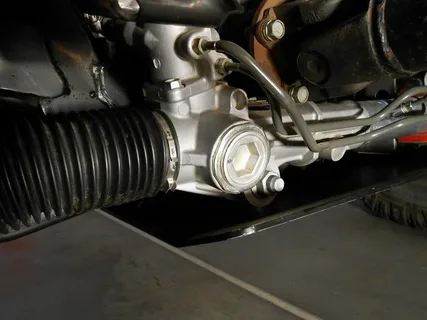
The Most Dangerous Symptoms of a Failing Steering Rack
When customers describe certain symptoms, the risk is not just “maintenance needed”—it becomes an immediate hazard. Below are the most dangerous indicators wholesalers should educate their customers about.
Excessive Steering Play (Loose Steering)
Loose steering is one of the earliest and most hazardous signs of a deteriorating rack pinion gear system. When internal bushings or teeth wear out, the vehicle reacts slowly or unpredictably to steering input.
Why It’s Dangerous
- Reduced ability to avoid sudden obstacles
- Increased risk of lane drifting
- Instability during high-speed driving
Commercial drivers, taxi fleets, and ride-share operators often ignore early signs, creating huge safety risks.
Hard Steering or Steering Stiffness
A damaged steering rack often causes stiffness—especially when turning the wheel in one direction. This stiffness dramatically affects driver reaction time.
Why It’s Dangerous
- Difficult to maneuver during emergency avoidance
- Increased risk when taking sharp turns
- Dangerous for heavy vehicles or trucks
If a customer’s steering becomes stiff only when turning left or right, that often means internal rack valve failure.
Steering Wheel Doesn’t Return After Turning
When a steering rack fails, the wheel may not return to center after a turn. This is a critical safety issue.
Dangers
- Driver must manually correct every movement
- High probability of veering into oncoming lanes
- Increased fatigue for long-distance drivers
This is one of the symptoms auto parts wholesalers should highlight when helping customers diagnose steering rack problems.
Vehicle Pulls to One Side
While this is sometimes a wheel alignment issue, a damaged steering rack and pinion can cause the vehicle to pull aggressively to one side.
Why It’s Dangerous
- Difficult to maintain straight lanes
- Extremely risky on highways
- Causes uneven tire wear, increasing blowout risk
If the pulling effect worsens when turning, the rack is almost certainly failing.
Steering Rack Leak (Power Steering Fluid Loss)
One of the most common and dangerous steering rack issues is a steering rack leak. Power steering fluid lubricates the internal rack components, ensuring smooth movement and hydraulic assistance.
Dangers of Fluid Leaks
- Hydraulic failure, causing sudden stiff steering
- Power steering pump overheating
- Possibility of complete steering lock-up
- Loss of control at low speeds, parking, or cornering
A leak makes the steering system unpredictable—and unpredictability is the biggest danger in vehicle control.
Grinding or Knocking Noise While Steering
When internal rack pinion gear teeth wear out, friction increases. Drivers may hear grinding, clunking, or knocking noises.
Why It’s Dangerous
- Imminent risk of rack gear slip
- Sudden steering failure possible
- Indicates structural wear deep inside the rack
- This is usually a “replace immediately” situation.
How Dangerous Is It to Keep Driving With a Bad Steering Rack?
Let’s evaluate the danger in real-world driving scenarios.
Highway Driving (Extremely Dangerous)
At high speeds, even a minor steering defect can cause catastrophic consequences. With a bad rack:
- Steering delay increases
- Vehicle takes longer to respond to lane changes
- Small wheel movements produce inconsistent results
- Sudden failure can cause a rollover or multi-car collision
For commercial fleets, this is especially dangerous because weight increases momentum.
City Driving (High Risk)
Urban driving includes:
- Tight turns
- Constant lane changes
- Obstacles like pedestrians, bikes, and scooters
Any steering instability—loose steering, stiffness, or pulling—makes city driving hazardous. When the steering can’t make precision movements, hitting a curb or another vehicle becomes more likely.
Parking and Low-Speed Maneuvers (High Risk When Leaks Are Present)
A steering rack leak mostly affects low-speed maneuverability. Drivers may suddenly lose steering assistance while parking, making them unable to avoid poles, walls, or other vehicles.
The more the rack leaks, the greater the risk of total hydraulic loss.
Driving on Uneven or Rough Roads (Very High Risk)
Off-road vehicles, trucks, or cars driving on rough terrain face greater risk because:
- Additional vibrations worsen internal rack wear
- Rack pinion gear mesh becomes unstable
- Side loads on the wheels increase stress on the rack
- If the rack is already failing, potholes or rough surfaces can accelerate total failure.
Can a Steering Rack Fail Completely While Driving?
Yes—complete failure is possible, and it is one of the most dangerous scenarios in automotive operation.
Complete Steering Failure Can Occur Due To:
- Rack pinion gear teeth breaking
- Internal hydraulic seals collapsing
- Steering fluid loss burning out the pump
- Internal shaft binding
- Valve failure causing the rack to lock
- When this happens, the steering wheel may:
- Lock in place
- Spin freely without turning the wheels
- Only turn partially
- Become extremely heavy
A complete failure is rare but deadly. This is why driving with early symptoms should never be allowed.
Why Steering Rack Problems Become Worse Over Time
For wholesalers advising B2B clients, it’s important to emphasize that steering rack damage is progressive—not static.
Damage Progression
- Minor wear : slight play
- Moderate wear : noise and stiffness
- Advanced wear : steering rack leak
- Severe wear : slipping or locking
- Critical failure : total loss of control
Because the rack interacts with hydraulic pressure, weight load, and constant mechanical movement, deterioration accelerates once symptoms start.
This is why vehicle owners should never delay replacement—and why wholesalers must keep high-demand steering racks in stock.
The Cost of Ignoring a Bad Steering Rack
Driving with a bad rack does not only risk lives—it also causes expensive secondary damage:
1. Damaged Power Steering Pump
Fluid loss forces the pump to run dry, leading to burn-out.
2. Uneven and Premature Tire Wear
Loose or uneven steering positioning destroys a tire’s shoulder.
3. Alignment Problems
A failing rack causes off-center alignment, which becomes costly to fix.
4. Wheel Bearing & Suspension Damage
Shaky steering forces abnormal load on wheel hubs and control arms.
5. Transmission and Engine Stress
Unstable handling increases shifting stress in AT vehicles.
For logistics fleets, taxi companies, and ride-hailing vehicles, ignoring a steering rack problem significantly impacts long-term operating costs.
Why Wholesalers Should Prioritize Steering Racks in Their Inventory
Steering racks are one of the highest-urgency replacement parts, especially for markets in South America, Eastern Europe, the Middle East, Southeast Asia, and Africa.
Reasons Steering Racks Sell Well in B2B Markets
- High wear rate in commercial vehicles
- Sensitive to poor road conditions
- Expensive and slow for customers to obtain from dealerships
- High failure rate in older vehicles
- Many vehicles use hydraulic steering (leak-prone)
- For wholesalers, stocking reliable aftermarket steering racks ensures:
- Repeat orders from repair shops
- Bulk orders from fleets
- Higher-margin sales
- Customer trust in critical parts supply
In regions where road quality is low and driving distances are long, steering rack replacement becomes even more frequent.
Replacement Is Always Safer Than Repair
In most cases, repairing a steering rack is not recommended—especially when serving B2B buyers.
Why Replacement Is Better
- Repaired units may leak again
- Gear surfaces once worn cannot be fully restored
- Rebuilds lack consistent quality
- Internal seals are difficult to fully reseal
- Safety liability is much higher
High-quality aftermarket steering rack and pinion assemblies provide better long-term reliability and help distributors maintain professional credibility.
How to Advise Customers With Steering Rack Problems
A strong advisory approach improves conversion rates and customer trust.
Ask Customers These Critical Questions
- Does the steering feel loose or delayed?
- Is there a fluid leak under the front of the vehicle?
- Is the vehicle pulling to one side?
- Does the steering make grinding or knocking noises?
- Is the steering wheel hard to turn at low speeds?
- Does it feel shaky at high speeds?
If the customer answers “Yes” to any two of these, a steering rack replacement is strongly recommended.
Final Conclusion
How Dangerous Is Driving With a Bad Steering Rack?
Extremely dangerous.
Driving with a damaged steering rack, worn rack pinion gear, or any kind of steering rack leak exposes the driver to:
- Loss of control
- Sudden steering failure
- High-speed instability
- Inability to avoid accidents
- Increased risk during emergency maneuvers
For wholesalers, understanding these dangers helps position steering racks as a high-value, high-urgency product category. Customers—especially fleets, taxi operators, and workshops—cannot afford the safety risk or the downtime.
Replacing a bad steering rack is not optional. It is a critical safety action.
And for B2B distributors, providing reliable replacement steering racks is both a responsibility and a long-term business opportunity.