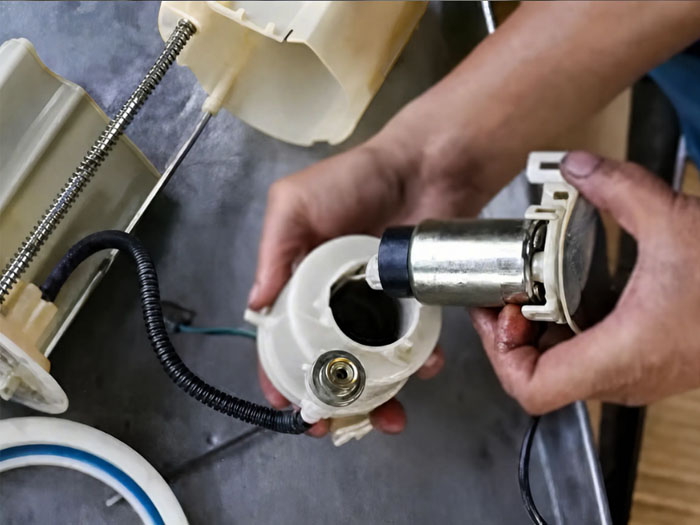
If you want a engine to perform well, every detail counts. And the car fuel pump is a big one. Its main job is simple: pump fuel from the tank to the injectors at the exact pressure needed. But if that pump starts failing? You’re in for a rough ride. The engine will misfire, shake at red lights, hesitate when you hit the gas, or just completely shut down on you.
For professional auto repair shops, commercial fleet managers, regional automotive stockists, and auto parts distributors, understanding the true drivers of fuel pump replacement cost is essential. Beyond calculating consumer repair bills, B2B industry professionals must evaluate product engineering quality, replacement complexity, warranty support, and wholesale unit pricing. Sourcing premium replacement units from an established automotive spare parts supplier ensures exceptional margin retention, minimal warranty claims, and maximum customer satisfaction.
This ultimate guide delivers a comprehensive analysis of fuel pump replacement costs, labor requirements, failure diagnostics, product design differences, and Strategic B2B procurement advice for automotive supply chain decision-makers.
Average Fuel Pump Replacement Cost: Retail vs. B2B Wholesale Market Overview
From a vehicle owner’s perspective, replacing a faulty fuel pump represents a significant unexpected repair expense. In North American and European service centers, the total retail fuel pump replacement cost typically ranges between $420 and $1,150 per vehicle, depending on vehicle make, model, model year, fuel delivery architecture, and regional shop labor rates.
Industry Cost Distribution Overview (Retail Automotive Market)
• Average Total Retail Repair Cost: $420 – $1,150+
• OEM & Premium Aftermarket Part Cost: $180 – $650+
• Professional Shop Labor Cost: $240 – $500 (2 to 4 hours @ $120–$160/hr)
• Wholesale Bulk Unit Cost from Factory (Ujoin Auto Parts): $18 – $75 (Direct B2B Pricing) |
Understanding how these costs break down empowers auto repair shops and parts distributors to position their pricing strategies competitively while maximizing gross profit margins:
Component/Part Cost Spectrum: The physical component expense varies dramatically between older vehicles utilizing mechanical pumps and modern high-pressure direct injection systems. A standard electric in-tank fuel pump assembly for a high-volume passenger sedan (e.g., Toyota Camry, Honda Civic, Ford Focus) commands an aftermarket retail price of $150 to $320. Conversely, complete fuel pump assembly modules featuring integrated fuel pressure regulators, fuel level sending units, and internal fuel filters for luxury European sedans or heavy-duty diesel trucks can easily reach $450 to $850 at retail counters.
Labor Overhead Breakdown: Replacing an in-tank fuel pump requires dropping the vehicle’s fuel tank or accessing the pump module underneath the rear seat assembly. On modern crossover SUVs and compact trucks, labor times average between 2.0 and 4.5 hours. At prevailing shop rates of $100 to $180 per hour, shop labor frequently exceeds the physical component cost itself.
For automotive repair business owners and aftermarket parts importers, purchasing individual replacement assemblies at domestic retail or secondary distribution markups severely compresses operational profitability. Partnering directly with an experienced China Auto Parts Supplier allows wholesalers and workshop chains to buy high-performance fuel pump assemblies at direct factory wholesale prices ($18–$75 per unit depending on specification), enabling healthier margins while offering competitive pricing to end customers.
Key Factors Influencing Fuel Pump Replacement Expenses
Fuel pump replacement costs fluctuate significantly depending on vehicle engineering and market dynamics. Understanding these cost drivers helps distributors optimize their stocking inventories and enables repair technicians to provide accurate quotes.
A. Vehicle Engineering & Fuel System Architecture
Modern passenger cars utilize two primary types of fuel pump technologies:
In-Tank Low-Pressure Electric Fuel Pumps: Positioned inside the fuel tank, electric fuel pump modules operate submerged in gasoline or diesel. Fuel acts as a natural coolant and lubricant for the internal electric motor. Replacing an in-tank module requires draining remaining fuel, dropping the tank assembly, disconnecting high-pressure quick-connect lines, and replacing the sealing tank lock ring. This procedure increases standard labor hours and overall replacement cost.
High-Pressure Gasoline Direct Injection (GDI) Pumps: Found on modern Gasoline Direct Injection (GDI) engines, high-pressure mechanical or electro-hydraulic fuel pumps are mounted directly on the engine cylinder head or engine block. Driven by the engine camshaft, high-pressure pumps raise fuel pressure up to 2,000–3,000+ PSI. While mechanically easier to access than in-tank units, GDI high-pressure pumps feature ultra-tight manufacturing tolerances, driving higher component purchase costs.
B. Vehicle Segment, Brand, and Engine Displacement
Vehicle classification directly dictates component pricing and labor complexity:
Standard Passenger Cars & Crossovers: Vehicles like the Toyota Corolla, Honda CR-V, Hyundai Elantra, and Volkswagen Golf benefit from standardized, mass-produced fuel pump designs. Widespread manufacturing scale ensures lower wholesale unit costs and predictable, low-complexity service procedures.
European Luxury & Performance Models: Brands such as BMW, Mercedes-Benz, Audi, and Porsche utilize vehicle-specific fuel control modules, dual-stage electric pumps, and complex harness connectors. Replacement requires diagnostic calibration, elevated part costs, and specialized technician labor.
Commercial Trucks & Heavy Light-Duty Fleets: Ford F-Series, Chevy Silverado, and RAM trucks often feature high-capacity fuel tanks (26 to 36+ gallons) equipped with heavy-duty diesel lift pumps or twin-pump modules. Handling bulky fuel tanks increases shop lift time and equipment requirements, elevating final labor totals.
C. Geographic Location and Labor Rates
Labor costs vary substantially by geographic market. Independent repair shops in rural regions may charge $90 to $110 per hour, whereas franchised dealerships in major metropolitan areas frequently charge $175 to $240 per hour. Consequently, performing a fuel pump replacement in a tier-one urban dealership can double the labor cost compared to an independent repair facility using quality aftermarket parts.
Comprehensive Fuel Pump Replacement Cost Comparison across Vehicle Segments
| Vehicle Category | Typical Part Cost (Retail) | Estimated Labor Hours | Total Repair Cost Range | Factory B2B Wholesale (Ujoin) |
| Economy Sedan (e.g., Civic, Corolla) | $120 – $220 | 1.5 – 2.5 Hrs | $300 – $550 | $18 – $32 |
| Mid-Size SUV / Crossover | $180 – $350 | 2.0 – 3.0 Hrs | $420 – $750 | $28 – $48 |
| Commercial Light Truck / Pickup | $250 – $550 | 2.5 – 4.0 Hrs | $550 – $980 | $38 – $65 |
| European Luxury (e.g., BMW, Audi) | $350 – $750 | 3.0 – 5.0 Hrs | $700 – $1,400+ | $45 – $85 |
Critical Symptoms of a Failing Fuel Pump
Automotive technicians and service managers must accurately identify failing fuel pumps to prevent misdiagnosing related fuel delivery issues, such as clogged fuel injectors, faulty fuel pressure regulators, or blown pump relay switches. Recommending a fuel pump replacement is warranted when vehicles exhibit the following symptoms:
1. Loud Whining or Grinding Noise from the Fuel Tank: A healthy electric car fuel pump supplier produces a low, steady humming sound for 2–3 seconds when the ignition key is turned to the ‘ON’ position (priming the fuel system). A high-pitched whining or loud grinding noise emanating from the fuel tank indicates worn motor bearings, damaged impeller blades, or severe cavitation caused by fuel starvation.
2. Engine Hesitation and Power Loss Under Acceleration: When an internal electric pump motor overheats or loses winding resistance, it fails to deliver required fuel pressure under load. As a result, the engine hesitates or stutters during hard acceleration, uphill driving, or towing operations.
3. Engine Hard Starting or Extended Cranking Cycles: Extended cranking times before the engine starts usually indicate a failing non-return check valve within the fuel pump assembly. When this valve leaks, fuel pressure drains back into the fuel tank when the engine is switched off, requiring prolonged priming cycles during restarted attempts.
4. Engine Stalling at High Operating Temperatures: A motor experiencing intermittent electrical shorts or mechanical binding will stall suddenly during operating temperatures. After the vehicle cools down for 20–30 minutes, the pump may temporarily resume operation, only to stall again once reaching elevated operating temperatures.
5. Complete No-Start Condition (Cranks But Won’t Start): When the fuel pump fails completely, the electric motor stops rotating, resulting in zero fuel pressure reaching the engine fuel rail. The engine turns over normally but fails to start due to lack of combustion fuel.
6. Reduced Fuel Efficiency and Check Engine Light (CEL): An inefficient fuel pump struggling to maintain stable line pressure causes lean air-fuel mixtures. The vehicle ECU responds by increasing fuel trim parameters, leading to poor fuel economy and triggering Check Engine Light codes such as P0171 (System Too Lean Bank 1) or P0087 (Fuel Rail/System Pressure Too Low).
Technical Step-by-Step Replacement Procedure & Best Practices
To minimize warranty returns, installation errors, and labor rework, auto repair shops should enforce standard operating procedures when executing a fuel pump replacement. Professional mechanics recommend following these established industry guidelines:
Step 1: Safety Preparation & System Pressure Relief. Disconnect the vehicle’s negative battery terminal to prevent electrical sparking near fuel vapors. Relieve fuel system residual pressure by disconnecting the fuel pump relay in the fuse panel and cranking the engine until it stalls.
Step 2: Accessing and Removing the Fuel Tank. Access the fuel tank access hatch beneath the rear seat, or safely hoist the vehicle and support the fuel tank with a hydraulic jack stand. Safely drain remaining fuel into an approved storage container before disconnecting tank straps, electrical quick-connectors, and vapor recovery lines.
Step 3: Removing the Old Fuel Pump Module. Clean the top surface of the fuel pump flange to prevent dirt and debris from falling into the open fuel tank. Use a dedicated lock-ring tool to remove the retaining ring, then carefully lift out the old fuel pump module.
Step 4: Tank Cleaning and Inspection (Crucial step). Thoroughly inspect the interior of the fuel tank for sediment, rust scale, or metal shavings. If contamination is present, flush and clean the tank completely before installing the new unit. Installing a new car fuel pump into a contaminated fuel tank causes rapid pump impeller abrasion and premature pump failure—a primary cause of rejected warranty claims.
Step 5: Installing the Replacement Unit and Gasket. Always replace the tank seal/O-ring with a new elastomer gasket. Install the new fuel pump assembly, ensuring proper alignment of fuel sender floats and notch orientation. Secure the lock ring to specified torque standards.
Step 6: System Reassembly, Priming, and Leak Testing. Reattach all electrical connectors, high-pressure fuel lines, and evaporative emissions hoses. Reconnect the battery, prime the fuel system by cycling the key 3–4 times, start the engine, and inspect all connections thoroughly for fuel leaks.
B2B Sourcing Guide: Why Choose Ujoin Auto Parts as Your Fuel Pump Supplier?
For regional automotive wholesalers, auto parts distributors, and large repair shop chains, building a resilient, high-margin supply chain requires selecting an experienced, direct-factory supplier. Ujoin Auto Parts is a premier automotive spare parts supplier and leading China Auto Parts Supplier specializing in high-precision fuel delivery systems, steering systems, and suspension components.
A. Precision Engineering and Strict Quality Assurance
At Ujoin Auto Parts, every car fuel pump is manufactured using premium grade raw materials—including carbon commutators, wear-resistant armatures, and fluororubber (FKM) check valve seals capable of withstanding aggressive ethanol-blended fuels (E10, E15, E85). Our automated production lines utilize 100% end-of-line testing, verifying dynamic flow rates, current draw, and pressure hold performance before packaging. This rigorous testing protocol keeps warranty defect rates below 0.2%, protecting your brand reputation.
B. Comprehensive SKU Coverage Across Global Vehicle Fleets
Whether your customer base services high-volume Asian passenger cars (Toyota, Honda, Nissan, Hyundai, Kia), popular American light trucks (Ford, Chevrolet, Dodge), or European vehicles (Volkswagen, BMW, Mercedes-Benz), Ujoin Auto Parts provides comprehensive SKU coverage. Having access to a complete catalog from a single supplier streamlines customs clearance, reduces freight overhead, and simplifies procurement management.
C. Factory-Direct Pricing that Boosts Wholesaler Profit Margins
By eliminating middleman distributor markups, Ujoin Auto Parts offers competitive B2B factory direct pricing. Purchasing high-demand fuel pump assemblies directly from a verified China Auto Parts Supplier allows wholesalers and stockists to capture gross profit margins exceeding 45% to 65% when reselling to local auto repair facilities and retail counters.
FAQ
Q1: How long does a standard car fuel pump typically last?
Under normal operating conditions, an OEM or premium aftermarket electric fuel pump lasts between 100,000 and 150,000 miles (160,000 to 240,000 km). Premature failure is commonly caused by driving frequently on low fuel levels (which causes pump motor overheating) or contamination in the fuel tank.
Q2: Should mechanics always replace the fuel filter when replacing the fuel pump?
Yes, absolutely. Replacing the fuel filter (or in-tank fuel strainer strainer/sock) during a fuel pump replacement is a mandatory best practice. A clogged fuel filter restricts fuel flow, forcing the new pump motor to work under excessive load and backpressure, which dramatically shortens its operating lifespan.
Q3: What is the difference between a fuel pump motor and a complete fuel pump module assembly?
A fuel pump motor (or bare pump core) consists solely of the internal electric motor unit. A complete fuel pump module assembly includes the electric pump motor, fuel level sending unit (float sensor), pressure regulator, internal filter strainer, and top mounting flange housing. While bare motors are cheaper, installing complete module assemblies saves significant shop labor and eliminates potential failures of older surrounding components.
Q4: Why is sourcing from a direct China Auto Parts Supplier beneficial for auto parts wholesalers?
Partnering directly with a reputable China Auto Parts Supplier like Ujoin Auto Parts provides auto parts distributors with direct factory pricing, flexible low MOQ bulk ordering, private-label branding customization, and rapid access to high-volume replacement SKUs. This allows distributors to offer competitive pricing to auto repair shops while preserving healthy commercial margins.
Q5: Can driving on an empty fuel tank cause fuel pump failure?
Yes. Gasoline acts as both a coolant and lubricant for the internal electric pump motor. Driving regularly with low fuel levels (under 1/4 tank) exposes the pump to air, leading to excessive thermal buildup, rapid brush wear, and internal motor failure.
Conclusion
Understanding the dynamics of fuel pump replacement cost is essential for running a profitable automotive service or parts distribution business. While end-user replacement costs typically range from $420 to $1,150, auto repair shops and auto parts wholesale distributors can significantly lower component sourcing costs, enhance operating margins, and ensure long-term reliability by sourcing direct from established manufacturing leaders.
As a leading automotive spare parts supplier and established China Auto Parts Supplier, Ujoin Auto Parts is dedicated to delivering high-precision car fuel pump assemblies, fuel delivery components, and chassis parts to global automotive distributors, regional importers, and repair facility networks.