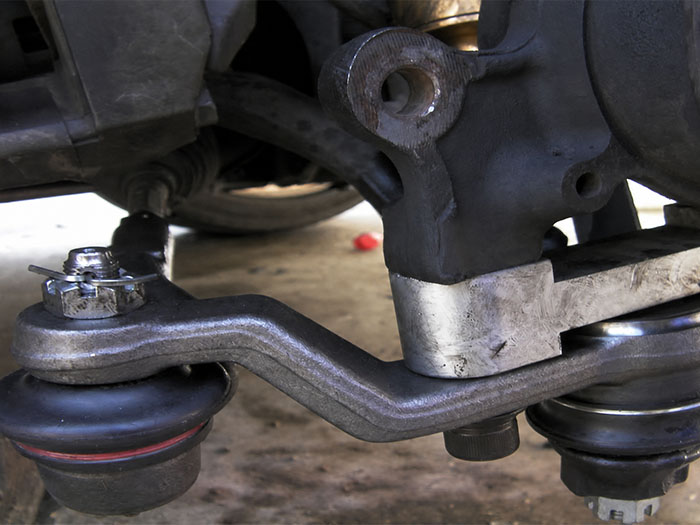
The automotive landscape of 2026 is undergoing a seismic shift. As the transition to electric vehicles (EVs) accelerates and global logistics networks become more complex, the role of a reliable Auto Parts Supplier has never been more critical. For wholesalers and distributors, staying ahead means identifying Ball Joints Suppliers who offer not just products, but engineering excellence and supply chain resilience. This guide explores the premier Ball Joints Manufacturers leading the industry this year.
Experience: Hands-on Insights into the 2026 Car Ball Joints
As industry analysts with decades of collective experience in the automotive aftermarket, we have observed a significant evolution in suspension demands. In 2026, the market is no longer just about “fit and function”; it is about specialized endurance. One of the most prominent trends is the “Heavy-Duty Shift.” As consumer preferences move toward larger SUVs and the added weight of EV battery packs increases vehicle mass, standard ball joints are facing unprecedented stress. Wholesalers are increasingly reporting that traditional components are showing signs of premature wear in urban environments with poor infrastructure. Based on field data from the South American and African markets, the demand for reinforced Auto Ball Joints—those capable of handling a force where mass is 30% higher than 2020 averages—has skyrocketed. Our experience suggests that car parts suppliers who have adapted their testing protocols to simulate these high-load scenarios are the ones winning long-term wholesale contracts.
Expertise: Technical Benchmarks for a High-Quality Ball Joints Manufacturer
Technical superiority in 2026 is defined by material science. A top-tier Ball Joints Manufacturer must now adhere to the IATF 16949:2026 updated standards, which place a heavier emphasis on risk management and life-cycle traceability. When evaluating a supplier, professional buyers must look beyond the surface finish. Forged Steel Housing: Forging provides a superior grain structure compared to casting, ensuring the component can withstand sudden impacts without brittle failure.
High-Performance Dust Boots: In 2026, CR-based (Chloroprene) rubber is being replaced by advanced silicone and thermoplastic elastomers (TPE) that maintain flexibility at temperatures ranging from -40°C to 150°C. Polished Ball Studs: Surface roughness (Ra) should be less than 0.2 μm to minimize friction and extend the life of the internal POM (Polyoxymethylene) bearing. Wholesalers should prioritize manufacturers who utilize robotic assembly lines to ensure consistent torque values across every batch, reducing the “dead-on-arrival” rate that often plagues lower-end suppliers.
Authoritativeness: Industry Leaders in Ball Joint Manufacturing
The following ten companies represent the pinnacle of Ball Joints production in 2026. These selections are based on their market share, technological patents, andcommitment to the B2B wholesale sector.
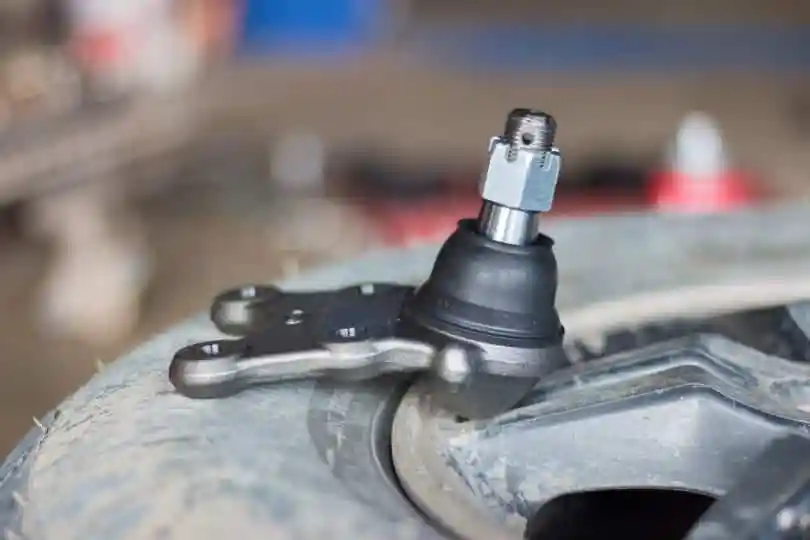
MOOG (Tenneco) Ball Joint
Established: 1919
Official Website: www.moogparts.com
Main Products: Steering and suspension components, control arms, tie rod ends.
Ball Joint supplier Specialization: Legendary for ‘Problem Solver’ ball joints. Features patented Gusher Bearing technology for lower friction and longer life. Remaining a dominant force, MOOG has integrated its “Problem Solver” technology into the EV sector. Their 2026 line features pre-installed dust boots that eliminate installation errors, a major plus for repair shop distributors.
Ujoin Auto Parts Ball Joint
Established: 2016
Official Website: www.ujautoparts.com
Main Products: Chassis and steering components, including steering knuckles, control arms, tie rod ends, and high-performance ball joints.
Ball Joint Specialization: Ujoin Auto Parts has rapidly emerged as a specialized Ball Joints Manufacturer with a strong focus on the South American and worldwide B2B markets.
Their 2026 product line features reinforced Auto Ball Joints engineered specifically for the demanding road conditions and high-load requirements of regional vehicle fleets. By utilizing advanced forging processes and rigorous quality control, they provide wholesalers with a high-durability alternative that balances premium performance with cost-efficiency. Vetting Your Partner for Long-Term Success
MEVOTECH Ball Joint
Established: 1982
Official Website: www.mevotech.com
Main Products: Control arms, ball joints, strut mounts, wheel bearings.
Ball Joint supplier Specialization: TTX (Terrain Tough) line features Repel-Tek coating and oversized ball studs for extreme loads.
Known for their “Terrain Tough” (TTX) line, Mevotech continues to lead in the North American and South American markets by offering parts that exceed OEM specifications for off-road and commercial use.
TRW Ball Joint
Established: 1901
Official Website: www.trwaftermarket.com
Main Products: Braking systems, steering and suspension, safety systems.
Ball Joint Specialization: Designed with OE-precision. Features low-friction plastic seats to ensure smooth steering response.
As an OE powerhouse, TRW’s ball joints supplier are the gold standard for European vehicle fleets. Their focus on lightweight aluminum alloys without sacrificing strength has made them a favorite for luxury EV brands.
DORMAN Ball Joint
Dorman’s ability to identify OE flaws and provide “OE Fix” solutions makes them an essential partner for wholesalers catering to aging vehicle fleets where original parts frequently fail.
Established: 1918
Official Website: www.dormanproducts.com
Main Products: OE-replacement chassis, body, and engine parts.
Ball Joint Specialization: Leader in ‘OE Fix’ ball joints, often adding grease fittings to originally sealed units for longer life.
CTR Ball Joint
Established: 1971
Official Website: aftermarket.ctr.co.kr
Main Products: Steering, suspension, and drivetrain parts.
Ball Joint manufacturer Specialization: Primary supplier for Hyundai/Kia. Features ‘Hybrid Ball Joints’ that reduce weight by 20% using composite materials.
A leader in Korean automotive technology, CTR is currently the primary supplier for many Asian EV platforms, offering incredible precision and competitive pricing for volume buyers.
SANKEI INDUSTRY (555) Ball Joint
Established: 1960
Official Website: www.sankei-555.co.jp
Main Products: Steering and suspension parts for Japanese vehicles.
Ball Joint supplier Specialization: Synonymous with Japanese reliability. Features cold-forged steel and specialized greaseable designs.
For Japanese vehicle specialists, “555” remains the most trusted name. Their manufacturing remains strictly in Japan, ensuring a level of QC that is rare in a globalized market.
DELPHI TECHNOLOGIES Auto Ball Joint
Established: 1994
Official Website: www.delphiaftermarket.com
Main Products: Fuel systems, engine management, chassis components.
Ball Joint Specialization: Utilizes cataphoretic coating and nylon bearing surfaces for constant torque in sub-zero climates. Now part of Borg Warner, Delphi’s strength lies in their rigorous dynamic testing. Each ball joint undergoes millions of cycles of fatigue testing to simulate 100,000 miles of driving.
MEYLE AG Car Ball Joint
Established: 1958
Official Website: www.meyle.com
Main Products: MEYLE-HD, MEYLE-PD chassis components.
Ball Joint Specialization: MEYLE-HD ball joints feature a larger ball head diameter to spread loads and reduce socket wear.
FEBI BILSTEIN Automotive Ball Joint
Established: 1844
Official Website: www.febi.com
Main Products: Engine, steering, suspension, and brake parts.
Ball Joint Specialization: German precision fitment. Offers pre-assembled ProKits containing all necessary mounting hardware.
A cornerstone of the “Made in Germany” reputation, Febi offers an expansive catalog that covers over 95% of the European car parc, making them a one-stop-shop for distributors. In the B2B world, trust is the currency of the realm. A reputable Ball Joints Supplier should offer more than just a low price point. Auto parts wholesalers must demand transparency in the following areas:
- Warranty Integrity: Does the supplier provide a global warranty? In 2026, a 2-year/40,000-mile warranty is the industry standard for premium parts. Anything less is a red flag regarding the manufacturer’s confidence in their own product.
- Financial Stability: With the volatility in raw material costs (steel and polymer prices), partnering with a financially stable manufacturer ensures that your supply chain won’t be interrupted by sudden factory closures.
- Sustainability: More procurement managers are now required to report on the carbon footprint of their supply chain. Suppliers using recycled materials for packaging and energy-efficient forging processes are becoming the preferred choice for large-scale distributors.
FAQ
Q1: Are EV-specific ball joints really different, or just marketing?
A: They are significantly different. EVs require higher “Pull-out Strength” to manage the instantaneous torque and higher curb weight. Using a standard
ICE-vehicle ball joint supplier on a heavy EV can lead to premature failure.
Q2: Why is “Dry-Film Lubrication” becoming popular in 2026?
A: Dry-film coatings reduce the need for traditional grease, which can attract contaminants. This leads to a “sealed-for-life” design that requires zero maintenance, appealing to fleet managers looking to reduce service downtime.
Q3: How can we combat the rise of counterfeit auto parts?
A: Wholesalers should only buy from suppliers who use encrypted holographic seals or blockchain-based tracking. Always verify the IATF certification number directly on the official database.