When it comes to the automotive aftermarket, brake pads are among the most frequently replaced components — and one of the most critical for vehicle safety. For businesses sourcing factory brake pads in bulk, understanding how long factory brake pads last is essential for planning inventory, building trust with customers, and ensuring quality control.
In this comprehensive guide, we’ll explore how long factory brake pads typically last, what factors influence their lifespan, and how brake pad manufacturers and factory brake wholesale suppliers can ensure consistent performance and durability.
What Are Factory Brake Pads?
Before diving into their lifespan, it’s important to define what “factory brake pads” actually are.
Factory brake pads refer to the original or OEM-grade brake pads that come directly from the vehicle manufacturer or from certified OEM-equivalent suppliers. These pads are designed to meet or exceed factory specifications, providing the balance between performance, comfort, and durability expected by the original car maker.
For B2B buyers and distributors, factory brake pads are often purchased through factory brake wholesale channels, offering bulk pricing and guaranteed production standards.
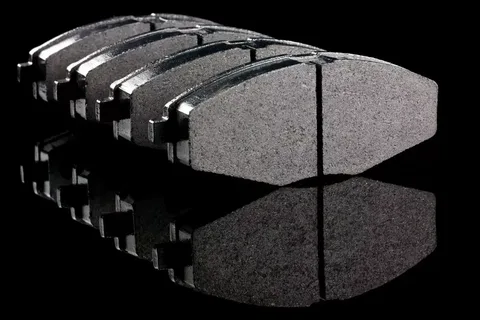
Key Characteristics of Factory Brake Pads
- OEM-level quality: Designed according to vehicle manufacturer specifications.
- Consistent materials: Made with certified friction formulas such as semi-metallic, low-metallic, ceramic, or NAO.
- Rigorous testing: Subjected to performance, heat resistance, and noise tests.
- Stable supply: Produced at scale by professional brake pad manufacturers.
Average Lifespan of Factory Brake Pads
One of the most common questions from both vehicle owners and distributors is: How long do factory brake pads last?
On average, factory brake pads last between 30,000 to 70,000 miles (48,000 to 112,000 kilometers). However, the actual lifespan can vary significantly depending on driving conditions, load, vehicle type, and maintenance habits.
Here’s a general breakdown:
| Vehicle Type | Estimated Lifespan (Miles) | Lifespan (Kilometers) |
| Passenger Cars | 40,000 – 60,000 | 64,000 – 96,000 |
| SUVs / Pickup Trucks | 30,000 – 50,000 | 48,000 – 80,000 |
| Commercial / Fleet Vehicles | 25,000 – 40,000 | 40,000 – 64,000 |
| High-Performance Cars | 20,000 – 30,000 | 32,000 – 48,000 |
While these figures serve as a reference, distributors and factory brake pad wholesalers must understand the various factors that can affect pad longevity.
Factors That Affect Brake Pad Lifespan
Brake pad wear is influenced by multiple variables. Understanding these factors helps brake pad manufacturers design better products — and helps B2B buyers communicate accurate expectations to their customers.
a. Driving Habits
Aggressive driving, frequent braking, and city driving significantly shorten pad life. For example:
Stop-and-go urban traffic leads to faster wear.
Long-distance highway driving reduces braking frequency, extending lifespan.
b. Vehicle Type and Weight
Heavy vehicles like trucks or SUVs exert more pressure on braking systems, causing faster pad wear. Fleet and commercial vehicles, which often carry heavy loads, are especially demanding on factory brake pads.
c. Material Composition
Different friction materials have varying durability:
- Ceramic brake pads: Long lifespan, less dust, and quieter performance.
- Semi-metallic pads: Better heat dissipation but moderate wear rate.
- Low-metallic NAO pads: Balanced performance but shorter lifespan under extreme conditions.
d. Rotor Condition
A damaged or warped rotor can unevenly wear brake pads. Routine rotor inspections help maximize pad life.
e. Environmental Factors
Regions with high humidity, salt exposure, or extreme temperatures can accelerate corrosion and wear.
How Brake Pad Manufacturers Improve Durability
The best brake pad manufacturers continuously innovate to extend brake pad life while maintaining performance and comfort. Here’s how:
a. Advanced Friction Materials
Modern factory brake pads use enhanced compounds combining metals, ceramics, and synthetic fibers. This blend improves heat tolerance, reduces wear, and enhances friction stability.
b. Precision Manufacturing
Leading brake pad manufacturers utilize robotic production lines, ensuring even material distribution and consistent pressure molding. This precision minimizes defects and ensures every pad performs identically.
c. Improved Heat Dissipation Design
Ventilated backing plates and slot/groove designs allow for better cooling, preventing premature pad glazing.
d. Noise & Vibration Reduction Technology
Adding shims, chamfers, and rubber coatings helps reduce brake noise, enhancing driver comfort without compromising pad life.
e. Quality Testing
Factory brake pads undergo extensive quality control:
- Shear and compression tests
- Friction stability evaluation
- Thermal cycling tests
- NVH (Noise, Vibration, Harshness) performance tests
By maintaining such standards, factory brake pad wholesalers can confidently offer products with consistent performance and predictable wear characteristics.
Why Brake Pad Lifespan Matters for B2B Buyers
For B2B distributors, resellers, and importers, understanding brake pad lifespan directly impacts profitability and customer satisfaction.
a. Inventory Planning
Knowing how long factory brake pads last helps forecast demand more accurately. For example, distributors serving commercial fleets may plan for shorter replacement cycles, requiring more frequent restocks.
b. Product Segmentation
Not all markets require the same pad durability.
Economy markets may prioritize cost over longevity.
Premium markets expect OEM-grade or ceramic pads for longer life and comfort.
By sourcing from reliable brake pad manufacturers, wholesalers can offer multiple product lines to fit these segments.
c. Brand Reputation
Consistently supplying durable, high-quality factory brake pads helps establish trust. End customers associate long-lasting pads with professional and reliable distributors.
How to Identify Long-Lasting Factory Brake Pads
When sourcing from a factory brake wholesale supplier, here are key indicators that the brake pads will provide long service life:
a. Material Transparency
Reputable suppliers disclose the exact friction material composition and testing data.
b. Certifications
Look for ISO/TS 16949, ECE R90, or SAE J661 certifications — these prove quality and safety compliance.
c. Customer Reviews and Field Feedback
Fleet operators’ real-world experiences can reveal how factory brake pads perform over time.
d. Backing Plate Design
Thicker or coated backing plates resist corrosion and heat deformation.
e. Packaging and Branding
Professional brake pad manufacturers maintain consistent branding, labeling, and warranty policies, signaling accountability and reliability.
Maintenance Tips to Maximize Brake Pad Life
Even the best factory brake pads require proper maintenance to reach their full lifespan. Here are some practical tips that distributors can share with clients or include in their marketing materials:
- Regular Inspections: Check pads every 10,000–15,000 miles.
- Replace Rotors When Needed: Worn rotors accelerate pad damage.
- Use Proper Brake Fluid: Contaminated fluid reduces braking efficiency.
- Avoid Overloading: Reducing vehicle load lowers braking stress.
- Ensure Proper Bedding-In: New pads should be gradually conditioned to maximize friction performance.
By educating customers, B2B wholesalers enhance customer satisfaction and reduce warranty claims.
Sourcing from Reliable Brake Pad Manufacturers
Choosing the right supplier is crucial. A dependable brake pad manufacturer or factory brake wholesale partner should offer:
- Stable production capacity and fast lead times.
- Customizable solutions for various vehicle models.
- Technical support for material testing and product development.
- Competitive pricing without compromising quality.
Brands like UJOIN Auto Parts specialize in supplying factory brake pads that balance quality, durability, and affordability — making them ideal for global distributors seeking reliable supply chains.
Conclusion
Factory Brake Pad Lifespan and Business Value
So, how long do factory brake pads last? Typically, 30,000 to 70,000 miles — but the key to consistent performance lies in the quality of manufacturing, proper maintenance, and the reliability of your supplier.
For B2B buyers and distributors, choosing the right brake pad manufacturer means more than just buying parts — it’s about ensuring long-term trust, repeat orders, and satisfied clients.
When sourced from reputable factory brake wholesale suppliers, factory brake pads deliver the durability, stability, and safety that customers demand.